Affiliate Disclosure: This article contains affiliate links to Amazon. If you make a purchase through these links, we may earn a small commission at no extra cost to you. This helps support DINO TOYS and allows us to continue creating great content about dinosaurs!
Our Top Picks
⚡ Our top picks
Best overall National Geographic Dino Fossil Dig Kit View on Amazon Best tech toy Dinosaur Robot Coding Kit View on Amazon Best learning tool Dinosaur Anatomy Model View on Amazon Best overallNational Geographic Dino Fossil Dig Kit
★★★★☆ (14,000+ ratings)Excavate 3 real fossils. Includes chisel, brush, and full-color learning guide. STEM certified.
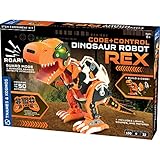
Best tech toyDinosaur Robot Coding Kit
★★★★☆ (3,200+ ratings)Build and code your own walking dinosaur robot. Learn programming basics through play.
Best learning toolDinosaur Anatomy Model
★★★★☆ (2,800+ ratings)See-through T-Rex with removable organs and skeleton. 28 pieces, great for aspiring paleontologists.


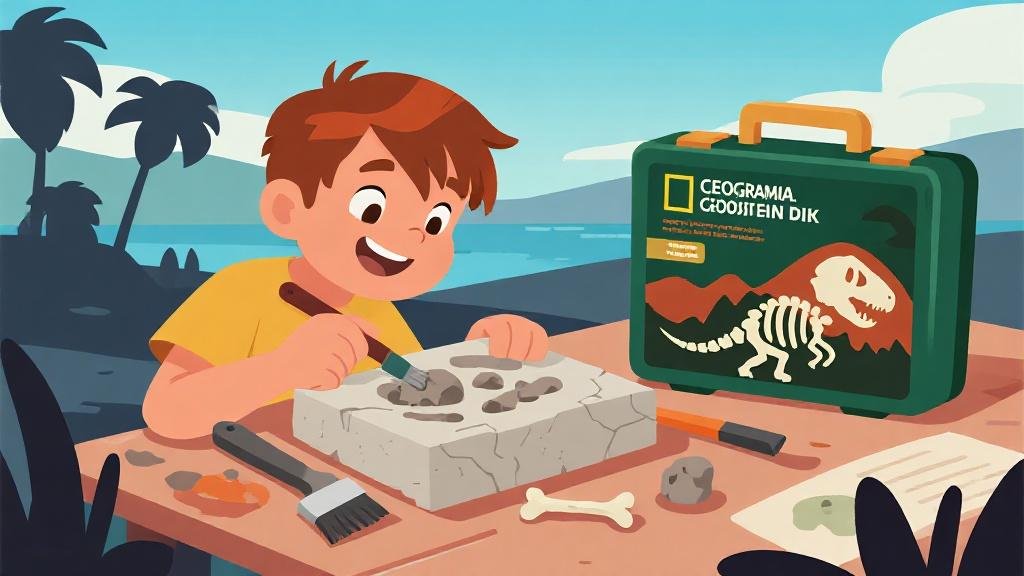
Planning to buy a National Geographic Dino Dig Kit and wondering how long it takes to complete? This is one of the most common questions parents ask before purchasing — and knowing the time commitment helps you plan the perfect dig session. Here’s the full breakdown of completion times by age and tips for the best experience.
How Long Does the National Geographic Dino Dig Kit Take?
The National Geographic Dino Dig Kit takes approximately 30–90 minutes to complete, depending on the child’s age, patience level, and how carefully they excavate. Most kids aged 6–8 finish in about 45–60 minutes. Older kids (9–12) who work more carefully may take 60–90 minutes. Younger kids (5–6) with adult assistance typically finish in 30–45 minutes. The Mega version with multiple fossils can take 2–3 hours spread across multiple sessions.
🛒 Check Today’s Price on Amazon
Dig Kit Completion Times by Version
Standard Dino Dig Kit (Single Skeleton)
The standard kit — which includes one T-Rex skeleton embedded in a plaster block — takes 30–60 minutes for most kids. The plaster is soft enough to chip away with the included tools but firm enough to require real effort. About 20 minutes is spent excavating, and 10–20 minutes assembling the revealed skeleton. This version is the best starting point and the most popular gift option.
Mega Fossil Dig Kit (Multiple Fossils)
The larger Mega Fossil Dig Kit with 10–15 real fossils embedded in a bigger plaster block takes 1.5–3 hours. Most families split this across 2–3 sessions to maintain attention and excitement. Each fossil discovery feels like a genuine achievement, creating multiple “wow” moments. This version is best for kids who loved the standard kit and want a bigger challenge.
Dino Egg Dig Kit (Multiple Eggs)
The Dino Egg Dig Kit with 12 individual dinosaur eggs takes about 15–20 minutes per egg, or 3–4 hours total. Each egg reveals a different miniature dinosaur figure. Most families do 2–3 eggs per session across several days, extending the experience into a week-long activity. This is the best version for siblings to share.
Tips for the Best Dig Kit Experience
Set up outdoors or on a covered surface — the plaster dust gets everywhere. Lay down a tarp, old newspaper, or do the dig in a plastic storage bin to contain the mess. Soak the plaster block in water for 5 minutes before starting to soften the outer layer (this makes the first few minutes much easier and less frustrating for young kids). Have a small bowl of water nearby to rinse tools and brush away dust during excavation. Take photos at each stage — kids love documenting their “archaeological dig.”
Frequently Asked Questions
Is the National Geographic Dino Dig Kit too hard for a 5-year-old?
Most 5-year-olds need adult assistance with the digging — the plaster requires firm, directed chipping that can frustrate very young children. An adult can do the initial rough excavation while the child handles the fine brushing and detail work. Pre-soaking the block makes it softer and more accessible for younger hands. With help, 5-year-olds thoroughly enjoy the experience.
Can you reuse a National Geographic Dig Kit?
The original kit cannot be reused once excavated — the plaster block is destroyed during the dig process. However, you can create DIY refills by embedding small dinosaur figures in plaster of Paris, letting it harden, and giving kids a new dig experience. Many parents make homemade dig blocks as birthday party activities after seeing how much kids love the original National Geographic version.
What tools come with the National Geographic Dig Kit?
The kit includes a chisel tool, brush, and magnifying glass — all kid-safe with no sharp edges. The chisel is a wooden or plastic pointed tool designed for controlled chipping without risk of injury. The brush clears away loose plaster dust to reveal details. The magnifying glass helps examine the excavated specimen. A detailed learning guide is also included with fossil identification information.
Is the mess from a dig kit manageable?
The plaster dust creates moderate mess — comparable to a craft project. Using the kit outdoors or in a contained space (plastic bin, tarp, newspaper) makes cleanup easy. A vacuum or broom handles the dust in 5 minutes. The mess is part of the authentic dig experience that kids love. Wet the block periodically during excavation to reduce airborne dust. See our STEM dinosaur toys guide for more hands-on science options.
Which National Geographic Dig Kit is best for beginners?
The Standard Dino Dig Kit (single T-Rex skeleton) is the best first purchase — it’s the right difficulty level, time commitment (30–60 min), and price ($12–$15) to determine if your child enjoys excavation play before investing in larger kits. If they love it, upgrade to the Mega or Egg versions for extended experiences.
Related Dinosaur Guides
- Best Dinosaur STEM Toys
- Best Dinosaur Toys 2026
- Dinosaur Gifts for 5-Year-Olds
- Best Dinosaur Toys for 5-Year-Olds
- Best Dinosaur Books for Kids
- Best Dinosaur Toys for Toddlers
- Best Dinosaur Toys for Boys
- Realistic Dinosaur Figures
- Best Dinosaur Toys by Age
- Best T-Rex Toys 2026
You Might Also Like
- Best Interactive Dinosaur Toys That Walk, Roar & Respond (2026)
- Best Remote Control Dinosaur Toys — RC Dinos That Walk & Roar (2026)
- Best Dinosaur Egg Hatching Toys for Kids — Complete Buying Guide (2026)
- Best Dinosaur Sandbox Toys & Beach Dino Sets (2026)
- Fisher-Price Imaginext Jurassic World Dinosaur Toys Review (2026)