Affiliate Disclosure: This article contains affiliate links to Amazon. If you make a purchase through these links, we may earn a small commission at no extra cost to you. This helps support DINO TOYS and allows us to continue creating great content about dinosaurs!
Our Top Picks
⚡ Our top picks
Editor’s pick Schleich T-Rex View on Amazon Best STEM pick National Geographic Dino Dig Kit View on Amazon Best plush Aurora Dinosaur Plush View on Amazon Editor's pickSchleich T-Rex
★★★★☆ (12,400+ ratings)The gold standard for realistic dinosaur figures. Hand-painted, museum-quality detail.
Best STEM pickNational Geographic Dino Dig Kit
★★★★☆ (14,000+ ratings)Excavate real fossils. Includes tools and learning guide. Hours of educational fun.
Best plushAurora Dinosaur Plush
★★★★☆ (3,400+ ratings)Super soft, huggable, and perfectly sized for little hands. Bean-filled for a floppy cuddle feel.


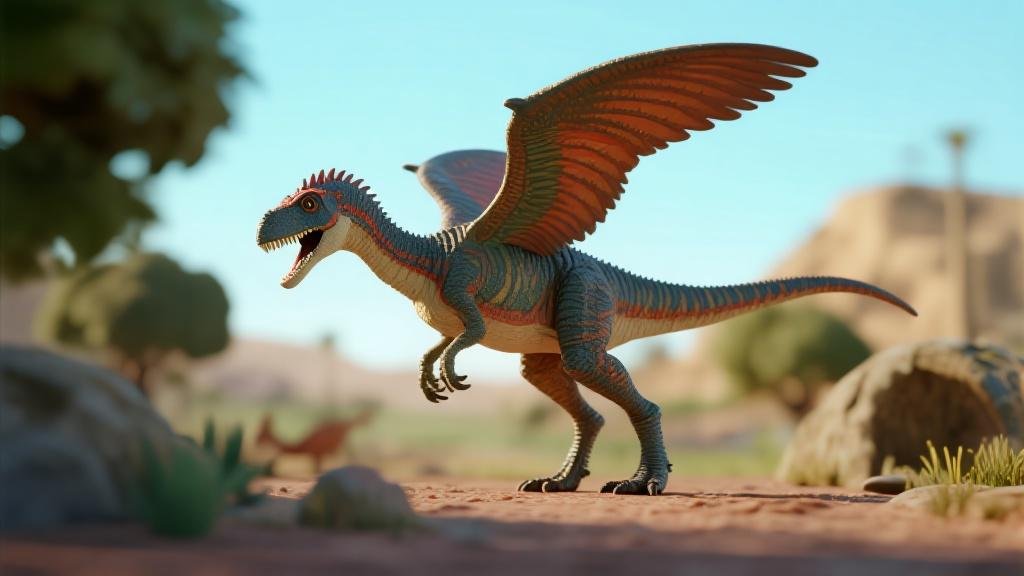
One of the biggest revolutions in paleontology over the past 30 years is the discovery that many dinosaurs had feathers. Not just a few oddball species — we now know that feathers (or feather-like structures) were widespread across theropod dinosaurs, including close relatives of the mighty T-Rex. But most dinosaur toys still show smooth, scaly reptiles. So what does the science actually say, and which feathered dinosaur toys get it right?
This guide breaks down the real paleontology behind feathered dinosaurs and recommends the toys and figures that reflect modern science accurately.
The Quick Answer: Which Dinosaurs Had Feathers?
Based on current fossil evidence, most theropod dinosaurs had some form of feathering. This includes: all dromaeosaurids (Velociraptor, Deinonychus, Utahraptor — these definitely had feathers), all oviraptorids (Oviraptor, Citipati), all troodontids, tyrannosaurids (at least their ancestors, and possibly juvenile T-Rex), and the ancestors of modern birds. Some ornithischian dinosaurs (like Kulindadromeus and Psittacosaurus) also show evidence of filamentous integument — proto-feather structures.
What We Know About Dinosaur Feathers
Fossil impressions preserved in fine-grained rock have given scientists direct evidence of dinosaur feathers ranging from simple filaments (like hair) to complex vaned feathers identical to modern bird feathers. Key discoveries include: Sinosauropteryx (1996, first dinosaur with preserved feathers — simple filaments), Microraptor (four-winged, fully feathered glider), Yutyrannus (a 30-foot tyrannosaur covered in filamentous feathers), and Anchiornis (preserved in such detail that scientists determined its exact color pattern — black, white, and red).
The presence of feathers in both theropods and some ornithischians suggests that feathery or filamentous body coverings may have been ancestral to all dinosaurs — meaning even sauropods and ceratopsians might have had some form of fuzz as babies or in certain body regions.
Did T-Rex Have Feathers?
This is the most debated question in dinosaur paleontology right now. Here’s where the evidence stands: Yutyrannus huali, a 30-foot tyrannosaur from China, was covered in long filamentous feathers. However, skin impressions from adult T-Rex specimens show pebbly, scaly skin on portions of the neck, tail, and abdomen. The current scientific consensus is that adult T-Rex was mostly scaly but may have retained feathers on parts of the body (like the back or head crest), similar to how elephants are mostly hairless but retain some hair. Juvenile T-Rex may have been fuzzier. The toy industry mostly ignores this nuance — nearly all T-Rex figures show fully scaly skin.
Which Dinosaur Toys Get Feathers Right?
Scientifically Accurate Feathered Figures (The Good)
Beasts of the Mesozoic is the gold standard for feathered dinosaur figures. This premium line by Creative Beast Studio features fully feathered dromaeosaurids (Velociraptor, Deinonychus, Utahraptor) with scientifically accurate plumage, articulated joints, and museum-quality detail. Each figure reflects current paleontological research. They’re more expensive ($30–$80) but represent dinosaurs as science actually understands them.
🛒 Check Today’s Price on Amazon
PNSO also produces excellent feathered dinosaur figures, including their Yutyrannus and Velociraptor models with appropriate filamentous feathering. PNSO works with paleontological consultants to ensure accuracy. Their Microraptor with four wings is particularly impressive.
🛒 Check Today’s Price on Amazon
Inaccurate But Popular Figures (The Not-So-Good)
Most mainstream dinosaur toys — including Schleich, Jurassic World (Mattel), and Safari Ltd — still depict Velociraptors and similar theropods with scaly, lizard-like skin. This is scientifically inaccurate but commercially driven: kids recognize “movie raptors” (thanks to Jurassic Park/World) and parents buy what’s familiar. Schleich has slowly introduced more feathered options but their core line remains predominantly scaly. Safari Ltd offers some feathered models in their newer releases.
Why This Matters for Toy Purchases
If you’re buying dinosaur toys for educational purposes, feathered figures teach kids what dinosaurs actually looked like based on real fossil evidence. This can spark conversations about how science updates its understanding over time — a valuable lesson in scientific thinking. If you’re buying purely for play, accuracy matters less, and the familiar scaly designs from movies work fine. The best approach for most families: mix both — mainstream figures for play, and one or two premium feathered figures from Beasts of the Mesozoic for scientific accuracy.
Best Feathered Dinosaur Toys to Buy
Beasts of the Mesozoic Velociraptor
The definitive feathered Velociraptor figure — fully plumed with arm feathers, tail fan, and body covering exactly matching fossil evidence. Multiple articulation points for dynamic posing. Available in several species variants with different color patterns.
🛒 Check Today’s Price on Amazon
Safari Ltd Feathered Velociraptor
A more affordable feathered raptor option from Safari Ltd’s newer line. Less detailed than Beasts of the Mesozoic but at a fraction of the price ($10–$15 vs. $30–$80). Good compromise between accuracy and budget for building a scientifically accurate collection.
🛒 Check Today’s Price on Amazon
Frequently Asked Questions
Did Velociraptor really have feathers?
Yes — this is one of the most well-established facts in dinosaur paleontology. Velociraptor fossils show quill knobs on the forearm bones, which are attachment points for large feathers identical to those seen in modern birds. Related species preserved in finer sediments (like Zhenyuanlong) show full body feathering. The “scaly raptors” in Jurassic Park/World are scientifically inaccurate but cinematically iconic.
Why do most dinosaur toys not have feathers?
Two main reasons: movie influence (Jurassic Park/World established the scaly look in popular culture) and market demand (parents and kids buy what they recognize). Toy manufacturers follow consumer expectations rather than scientific accuracy. This is slowly changing — brands like Beasts of the Mesozoic, PNSO, and newer Safari Ltd releases are introducing feathered options as public awareness grows.
Which dinosaurs definitely did NOT have feathers?
Large sauropods (Brachiosaurus, Diplodocus) almost certainly lacked feathers as adults — their enormous body size meant they needed to dissipate heat, not retain it. Ankylosaurs and most ceratopsians (Triceratops) show skin impressions with scales and no feather evidence. However, their distant ancestors may have had proto-feathers, and babies of these species might have retained some fuzz.
Are feathered dinosaur toys more expensive?
Generally yes — Beasts of the Mesozoic feathered figures run $30–$80 because they’re produced in smaller quantities for a collector market. However, Safari Ltd and CollectA offer feathered options at standard toy prices ($10–$15). As demand grows and more brands adopt feathered designs, prices should become more competitive with traditional scaly figures.
What color were feathered dinosaurs?
Scientists have actually determined the color of some feathered dinosaurs by analyzing melanosomes (pigment structures) preserved in fossil feathers. Anchiornis had black, white, and red plumage. Sinosauropteryx had a striped tail in reddish-brown and white. Microraptor had iridescent black feathers like a crow. This means we know more about dinosaur colors than most people realize — and the best feathered figures reflect these scientifically-determined palettes.
Related Dinosaur Toy Guides
- Best Dinosaur Toys 2026 — Complete Guide
- Realistic Dinosaur Figures
- Best Dinosaur Toys by Species
- The Mesozoic Era Explained
- Best Dinosaur Toys for Boys
- Best Dinosaur Toys for Girls
- Best T-Rex Toys
- Best Dinosaur LEGO Sets
- Best Dinosaur Toys by Age