Affiliate Disclosure: This article contains affiliate links to Amazon. If you make a purchase through these links, we may earn a small commission at no extra cost to you. This helps support DINO TOYS and allows us to continue creating great content about dinosaurs!
Our Top Picks
⚡ Our top picks
Editor’s pick Schleich T-Rex View on Amazon Best STEM pick National Geographic Dino Dig Kit View on Amazon Best plush Aurora Dinosaur Plush View on Amazon Editor's pickSchleich T-Rex
★★★★☆ (12,400+ ratings)The gold standard for realistic dinosaur figures. Hand-painted, museum-quality detail.
Best STEM pickNational Geographic Dino Dig Kit
★★★★☆ (14,000+ ratings)Excavate real fossils. Includes tools and learning guide. Hours of educational fun.
Best plushAurora Dinosaur Plush
★★★★☆ (3,400+ ratings)Super soft, huggable, and perfectly sized for little hands. Bean-filled for a floppy cuddle feel.


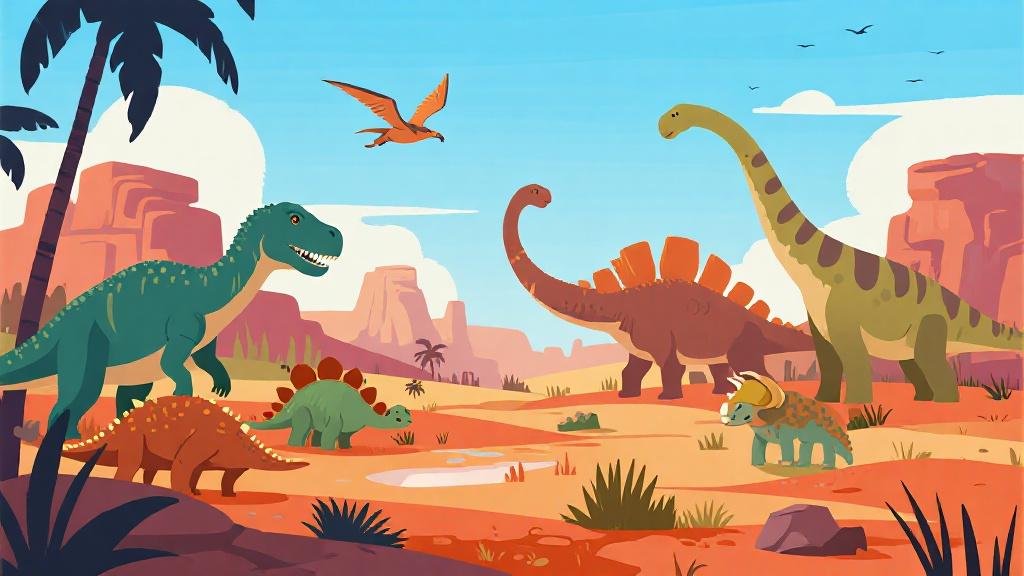
Understanding the types of dinosaurs is the foundation of every dinosaur obsession — and there were far more groups than most people realize. Scientists have identified over 1,000 species of dinosaurs spanning two major orders, dozens of families, and an incredible range of sizes, diets, and adaptations. This complete guide breaks down every major dinosaur group in plain language, covering what made each type unique, which species kids love most, and how they all fit together.
Whether you’re a parent trying to keep up with a dino-obsessed child or a young enthusiast building your knowledge, this guide covers theropods, sauropods, ornithopods, ceratopsians, ankylosaurs, stegosaurs, and more — with toy recommendations for each group so you can bring the learning to life.
Quick Guide: Major Types of Dinosaurs
- Theropods: Two-legged meat-eaters — T-Rex, Velociraptor, Spinosaurus
- Sauropods: Giant long-necked herbivores — Brachiosaurus, Diplodocus, Apatosaurus
- Ceratopsians: Horned and frilled plant-eaters — Triceratops, Styracosaurus
- Ornithopods: Duck-billed and beaked herbivores — Parasaurolophus, Iguanodon
- Ankylosaurs: Armored tank-like dinosaurs — Ankylosaurus, Euoplocephalus
- Stegosaurs: Plated back dinosaurs — Stegosaurus, Kentrosaurus
- Pterosaurs: Flying reptiles (not technically dinosaurs) — Pteranodon, Quetzalcoatlus
The Two Major Dinosaur Orders
Saurischia (Lizard-Hipped Dinosaurs)
The Saurischia order includes two incredibly diverse groups that couldn’t look more different: the massive plant-eating sauropods and the predatory theropods. What links them is hip bone structure — saurischian dinosaurs have a lizard-like hip arrangement with the pubis bone pointing forward. This order contains both the largest animals to ever walk the Earth (sauropods like Argentinosaurus) and the ancestors of modern birds (theropods like Velociraptor). Understanding this connection helps explain why a 100-ton Brachiosaurus and a chicken share the same dinosaur order.
Ornithischia (Bird-Hipped Dinosaurs)
Ornithischian dinosaurs have a bird-like hip structure with the pubis bone pointing backward — ironically, despite the name, birds actually evolved from the “lizard-hipped” saurischians. This order includes all the armored, horned, plated, and duck-billed dinosaurs: Triceratops, Stegosaurus, Ankylosaurus, and Parasaurolophus all belong here. Every ornithischian was a herbivore, and they developed an extraordinary range of defensive adaptations — horns, frills, clubs, plates, and armor — to survive alongside the predatory theropods.
Theropods: The Meat-Eating Dinosaurs
Tyrannosaurids — T-Rex & Relatives
The tyrannosaurid family includes the most famous dinosaur of all time — Tyrannosaurus Rex. These apex predators featured massive skulls with bone-crushing bite force, tiny but powerful arms, and powerful hind legs built for ambush hunting. T-Rex lived during the late Cretaceous period (68–66 million years ago) and was one of the last non-avian dinosaurs. Related species include Albertosaurus, Daspletosaurus, and Tarbosaurus. For kids who love T-Rex, the best T-Rex toys guide covers the top figure and toy options.
🛒 Check Today’s Price on Amazon
Dromaeosaurids — Velociraptors & Raptors
The dromaeosaurid family — popularly called “raptors” — includes Velociraptor, Deinonychus, and Utahraptor. These agile predators featured a signature sickle-shaped claw on each foot, forward-facing eyes for depth perception, and (based on current evidence) feathered bodies. The real Velociraptor was only about the size of a turkey — the Jurassic Park movies actually based their raptors more on the larger Deinonychus. These were among the most intelligent dinosaurs, likely hunting in coordinated groups.
🛒 Check Today’s Price on Amazon
Spinosaurids — Semi-Aquatic Giants
Spinosaurus was the largest known theropod — even bigger than T-Rex — with a distinctive sail on its back and a crocodile-like snout adapted for fishing. Recent discoveries suggest Spinosaurus was semi-aquatic, spending significant time in water hunting fish and sharks. This makes it one of the most unique predatory dinosaurs ever discovered. Related species include Baryonyx and Suchomimus, all adapted for a fish-based diet.
🛒 Check Today’s Price on Amazon
Sauropods: The Giant Long-Necked Dinosaurs
Brachiosaurids & Titanosaurs
The sauropods were the largest land animals in Earth’s history. Brachiosaurus stood over 40 feet tall with its long neck held high for treetop browsing. Argentinosaurus — a titanosaur — may have weighed over 70 tons. These gentle giants had small heads, extraordinarily long necks, barrel-shaped bodies, and column-like legs. Despite their enormous size, sauropods were herbivores that stripped vegetation with peg-shaped teeth. Their size alone was their primary defense against predators. For kids fascinated by long-necked dinosaurs, see our long-neck dinosaur guide.
🛒 Check Today’s Price on Amazon
Diplodocids — Whip-Tailed Giants
Diplodocus and its relatives (Apatosaurus, Brontosaurus) featured incredibly long whip-like tails that may have been used for defense or communication. Unlike Brachiosaurus, diplodocids held their necks more horizontally and likely swept them side to side to cover large feeding areas without moving. These are among the most iconic dinosaur shapes — the classic “long-neck” silhouette that every child recognizes.
🛒 Check Today’s Price on Amazon
Ceratopsians: The Horned Dinosaurs
Triceratops & Large Ceratopsians
Triceratops — with its three horns and massive frill — is the most famous ceratopsian and one of the most recognizable dinosaurs. The horns were likely used for both defense against predators and competition between males. The bony frill may have served as display, thermoregulation, or muscle attachment. Other notable ceratopsians include Styracosaurus (spiked frill), Pachyrhinosaurus (boss-nosed), and Pentaceratops (five-horned). These were the “tanks” of the herbivore world.
🛒 Check Today’s Price on Amazon
Armored & Plated Dinosaurs
Ankylosaurs — Living Tanks
Ankylosaurus and its relatives were the most heavily armored dinosaurs — covered head to tail in bony plates, spikes, and osteoderms embedded in their skin. The signature feature was a massive bone club at the tail tip, capable of shattering predator leg bones. Low to the ground and built like armored vehicles, ankylosaurs were nearly invulnerable when crouched, protecting their only weak point — the softer underbelly.
🛒 Check Today’s Price on Amazon
Stegosaurs — Plate-Backed Dinosaurs
Stegosaurus featured two rows of distinctive diamond-shaped plates along its back and four sharp tail spikes (called the “thagomizer”). The plates were likely used for thermoregulation and species recognition display rather than defense. The tail spikes, however, were genuine weapons — fossil evidence shows Allosaurus bones punctured by Stegosaurus spikes. With a brain the size of a walnut relative to its body, Stegosaurus is often cited as one of the least intelligent dinosaurs.
🛒 Check Today’s Price on Amazon
Ornithopods: Duck-Billed & Beaked Dinosaurs
Hadrosaurs — The Duck-Billed Dinosaurs
The hadrosaur family includes Parasaurolophus (with its distinctive tube-shaped crest used for vocalization), Edmontosaurus, and Maiasaura. These herbivores had flat, duck-like bills for cropping vegetation and hundreds of tightly packed grinding teeth for processing tough plants. Hadrosaurs were among the most successful dinosaur groups, thriving worldwide during the late Cretaceous. Parasaurolophus’s crest could produce sounds, making it one of the most vocal dinosaurs.
🛒 Check Today’s Price on Amazon
Flying & Marine Reptiles (Not Technically Dinosaurs)
Pterosaurs & Marine Reptiles
While commonly grouped with dinosaurs in toys and media, pterosaurs (Pteranodon, Quetzalcoatlus) and marine reptiles (Mosasaurus, Plesiosaurs, Ichthyosaurs) were separate reptile groups that lived alongside dinosaurs but evolved independently. Pterosaurs were the first vertebrates to achieve powered flight, with wingspans up to 36 feet. Marine reptiles dominated the oceans in ways dinosaurs never did. For more on flying prehistoric reptiles, see our flying dinosaurs guide.
🛒 Check Today’s Price on Amazon
Explore Dinosaur Types with Toys
One of the best ways for kids to learn dinosaur types is through high-quality figure collections. Schleich and Safari Ltd both produce scientifically accurate figures covering most major groups. Building a collection organized by type — a shelf for theropods, one for sauropods, one for ceratopsians — turns toy play into genuine paleontology education. For brand comparison, see our Schleich vs Safari Ltd guide, and for the full figure roundup, visit our realistic dinosaur figures page.
Frequently Asked Questions
How many types of dinosaurs are there?
Scientists have identified over 1,000 species of dinosaurs, organized into two major orders (Saurischia and Ornithischia), dozens of families, and hundreds of genera. New species are discovered at a rate of approximately 50 per year as paleontologists continue excavating sites worldwide. The actual number of dinosaur species that existed is estimated to be far higher — possibly 10,000+ — with most never preserved as fossils.
What is the largest type of dinosaur?
Sauropods were the largest dinosaurs — and the largest land animals ever. The biggest confirmed species include Argentinosaurus (estimated 70+ tons), Patagotitan (69 tons), and Dreadnoughtus (65 tons). These titanosaurs lived during the Cretaceous period in what is now South America. For comparison, the largest living land animal — the African elephant — weighs only 6–7 tons.
What types of dinosaurs were carnivores?
All carnivorous dinosaurs belonged to the theropod suborder — including T-Rex, Velociraptor, Spinosaurus, Allosaurus, Carnotaurus, and Giganotosaurus. Theropods walked on two legs and ranged from chicken-sized Compsognathus to 40-foot-long Spinosaurus. While most theropods were predators, some evolved into herbivores or omnivores, and one branch eventually evolved into modern birds.
Were pterodactyls actually dinosaurs?
No — pterosaurs (including Pteranodon and Pterodactylus) were flying reptiles that lived alongside dinosaurs but belonged to a separate evolutionary group. Similarly, marine reptiles like Mosasaurus and Plesiosaurs were not dinosaurs. The term “dinosaur” specifically refers to a group of land-dwelling reptiles defined by their upright leg posture and specific hip structure. However, in popular culture and toy marketing, pterosaurs are commonly included in the dinosaur category.
Which type of dinosaur is the smartest?
Troodontids — small feathered theropods related to Velociraptor — had the largest brain-to-body ratio of any dinosaur group and are considered the most intelligent. Troodon had binocular vision, grasping hands, and a brain comparable in relative size to modern birds. Dromaeosaurids (raptors) were also highly intelligent, likely capable of coordinated pack hunting strategies.
Related Dinosaur Guides
- Best Dinosaur Toys 2026 — Complete Guide
- Realistic Dinosaur Figures
- Schleich vs Safari Ltd Dinosaurs
- Best T-Rex Toys
- Flying Dinosaurs Guide
- Long-Neck Dinosaur Guide
- Best Dinosaur Books for Kids
- Best Dinosaur STEM Toys
- Best Dinosaur Toys by Age