Dino Toys is reader-supported. When you buy through links on this page we may earn an affiliate commission, at no extra cost to you. As an Amazon Associate we earn from qualifying purchases.
The Top 10 Most Dangerous Dinosaurs That Ever Lived
The word “dinosaur” makes almost everyone picture an animal you would not want to cross paths with — but some were far more dangerous than others. Here is our countdown of the 10 most dangerous dinosaurs that ever lived, from a whip-tailed giant to the colossal apex predators that ruled their world.
The short version
- Our #1 is Giganotosaurus — a South American giant that may have edged out even T. rex in length.
- Size isn’t everything: small pack hunters like Velociraptor and Coelophysis earned their spots.
- Even a herbivore makes the list — Ankylosaurus’ club tail could break bone.
- This is an editorial ranking for fun, not a scientific scoreboard — we’ll be honest about what’s known and what isn’t.
The 10 most dangerous dinosaurs at a glance
| # | Dinosaur | Period | Length | Why it’s dangerous |
|---|---|---|---|---|
| 10 | Diplodocus | Late Jurassic | ~25 m | Whip-like tail, sheer bulk |
| 9 | Velociraptor | Late Cretaceous | ~2 m | Sickle claws, speed, pack hunting |
| 8 | Mapusaurus | Late Cretaceous | ~12 m | Pack-hunting giant |
| 7 | Coelophysis | Late Triassic | ~3 m | Fast, agile group hunter |
| 6 | Allosaurus | Late Jurassic | ~9 m | “Hatchet” bite, ambushes |
| 5 | Ankylosaurus | Late Cretaceous | ~8 m | Bone armor and a club tail |
| 4 | Majungasaurus | Late Cretaceous | ~7 m | Powerful bite, proven cannibal |
| 3 | Spinosaurus | Cretaceous | ~15 m | Largest carnivore, semi-aquatic |
| 2 | Tyrannosaurus rex | Late Cretaceous | ~13 m | Bone-crushing bite force |
| 1 | Giganotosaurus | Late Cretaceous | ~12–13 m | Immense size, possible packs |
10. Diplodocus
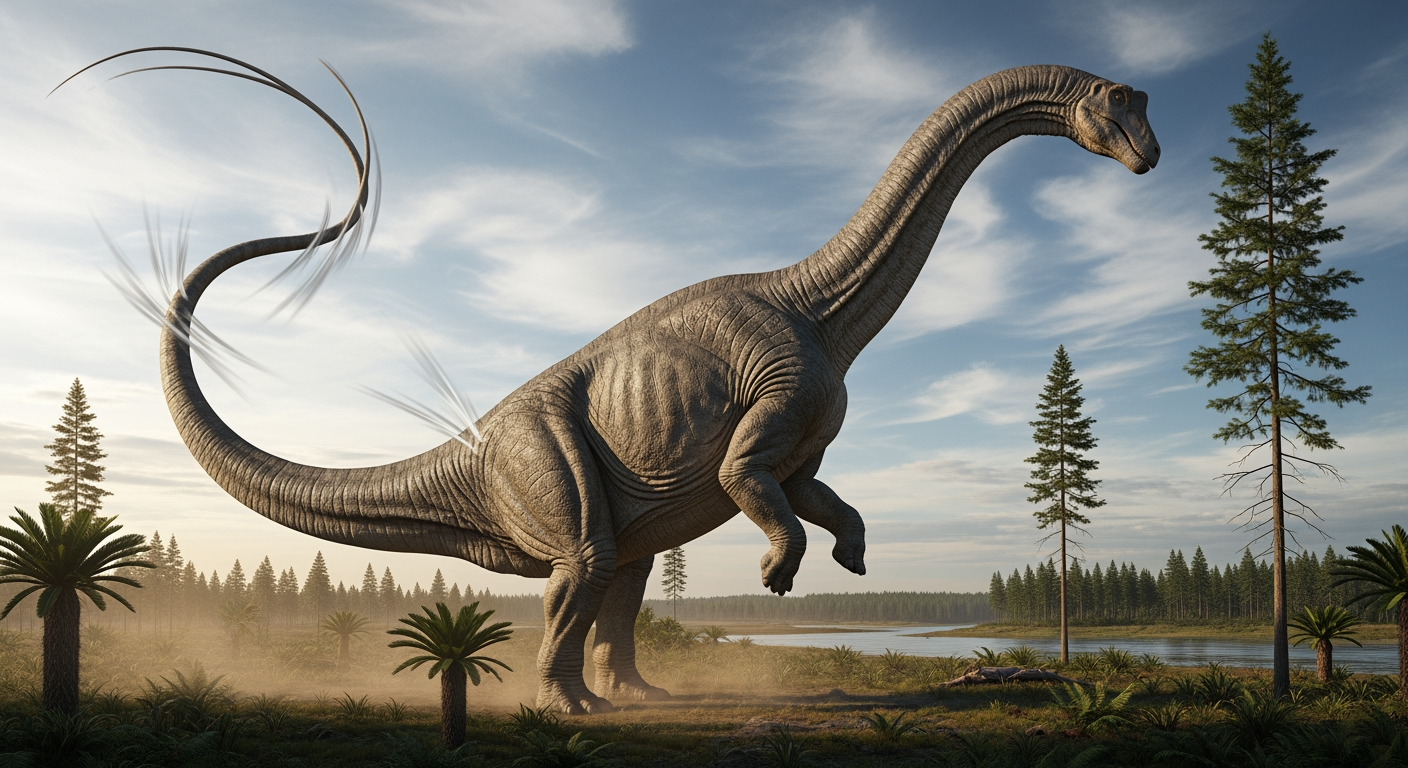
Like every dinosaur on this list, Diplodocus is long extinct — a gigantic herbivorous sauropod that, from the fossils found so far, lived in North America during the Late Jurassic. It’s also one of the easiest dinosaurs to recognise: a six-metre neck made of 15 vertebrae, set on a body that stretched around 25 metres (and possibly more). That long neck let it reach vegetation both high and low.
Its tail was even more striking — over 13 metres long and tapering to a thin, whip-like tip. Its front legs were shorter than its hind legs, giving it a roughly horizontal, suspension-bridge posture. So why does a plant-eater make a “most dangerous” list? Sheer size, mostly: an animal this huge could crush an attacker underfoot, and many researchers think that thin tail could be cracked at speed as a defensive whip. You can meet more of these giants in our guide to long neck dinosaurs.
9. Velociraptor
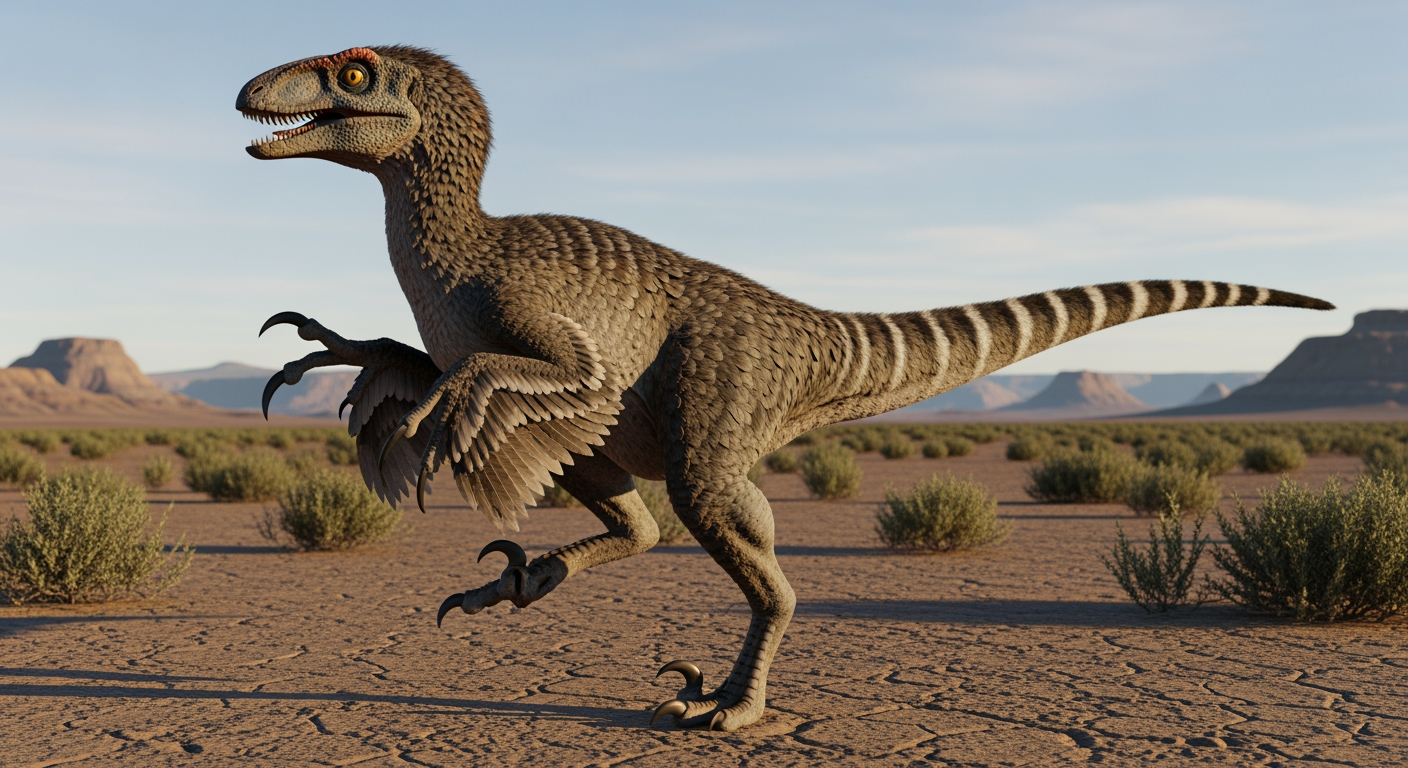
This bipedal carnivore lived about 75 million years ago, and its name means “swift thief.” Its jaws held dozens of sharp, curved teeth — though teeth aren’t the only thing that makes a dinosaur dangerous. (If you’ve ever wondered what dinosaur has 500 teeth, we’ve written a whole article on it, and the answer will surprise you.)
Velociraptor was only 1.5 to 2 metres long and about 75 cm tall, weighing 15 to 20 kilograms. Each foot carried a large, sickle-shaped claw it held raised off the ground — perfect for slashing prey or defending itself — and a stiff tail helped it balance. It had a small, flat head but a relatively large brain for its size and three-dimensional vision. Fossils place it in the savannah-like, semi-arid regions of present-day China and Mongolia.
Recent discoveries confirm Velociraptor was covered in feathers — not enough to fly, since its build made that impossible, but likely useful for regulating body temperature. Don’t let the size fool you: those long claws made it genuinely dangerous, stabbing prey that sometimes escaped to tell the tale, and a running speed of up to roughly 40 km/h let it strike fast and slip away from bigger threats. Browse our pick of Velociraptor toys if this one’s a favourite.
8. Mapusaurus
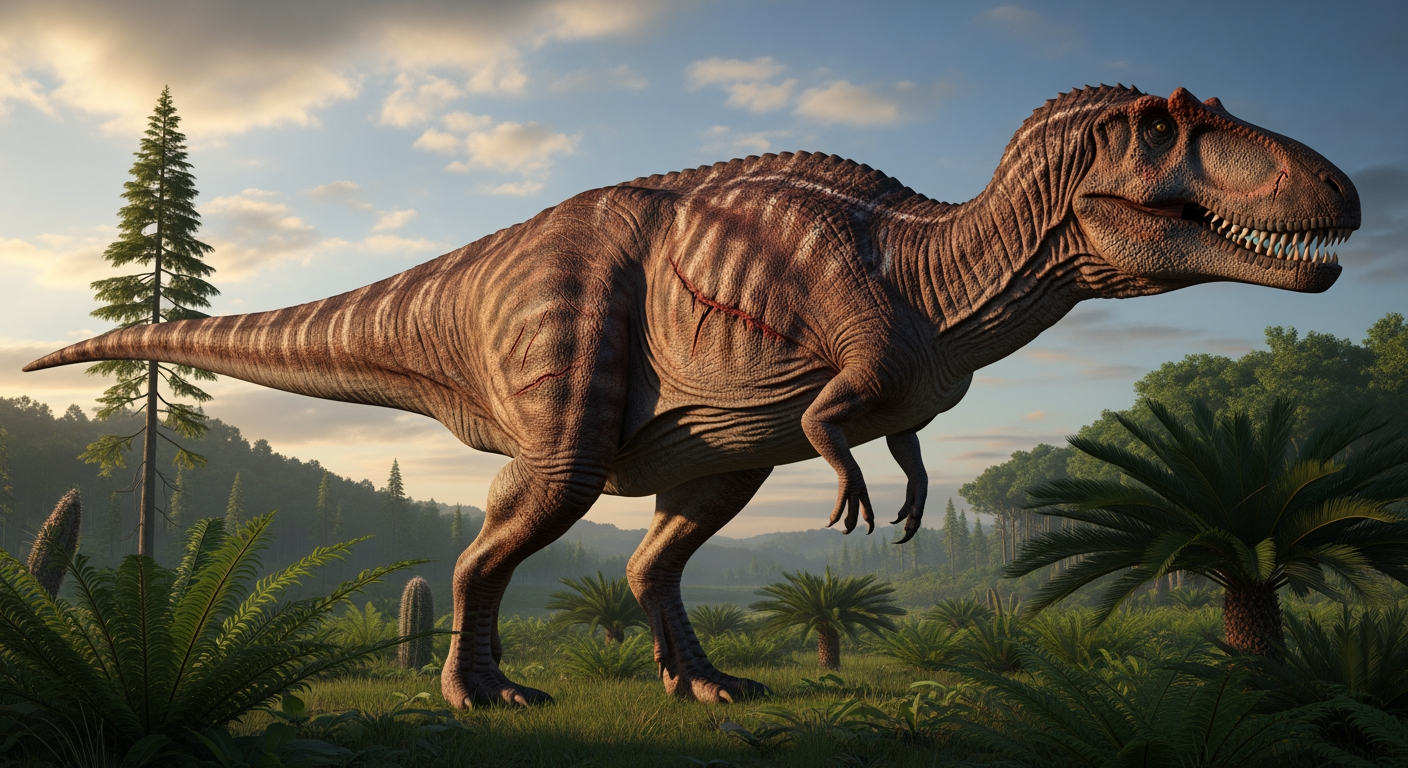
Its name means roughly “Earth lizard,” and Mapusaurus was a carnivore of the Late Cretaceous from South America, reaching an imposing length of around 12 metres. It was a close relative of Giganotosaurus, and the two share a distinctive skull shape — both belong to the carcharodontosaurid family, set apart from look-alikes by the thickness at the front of the skull and the larger, rounded openings in the bone.
What we know about this group is recent and still incomplete, but the picture is of a huge, fierce animal. Crucially, several Mapusaurus individuals were found together, which has led many researchers to suspect it lived — and possibly hunted — in groups. A herd of these giants working together would have left other dinosaurs little chance.
7. Coelophysis
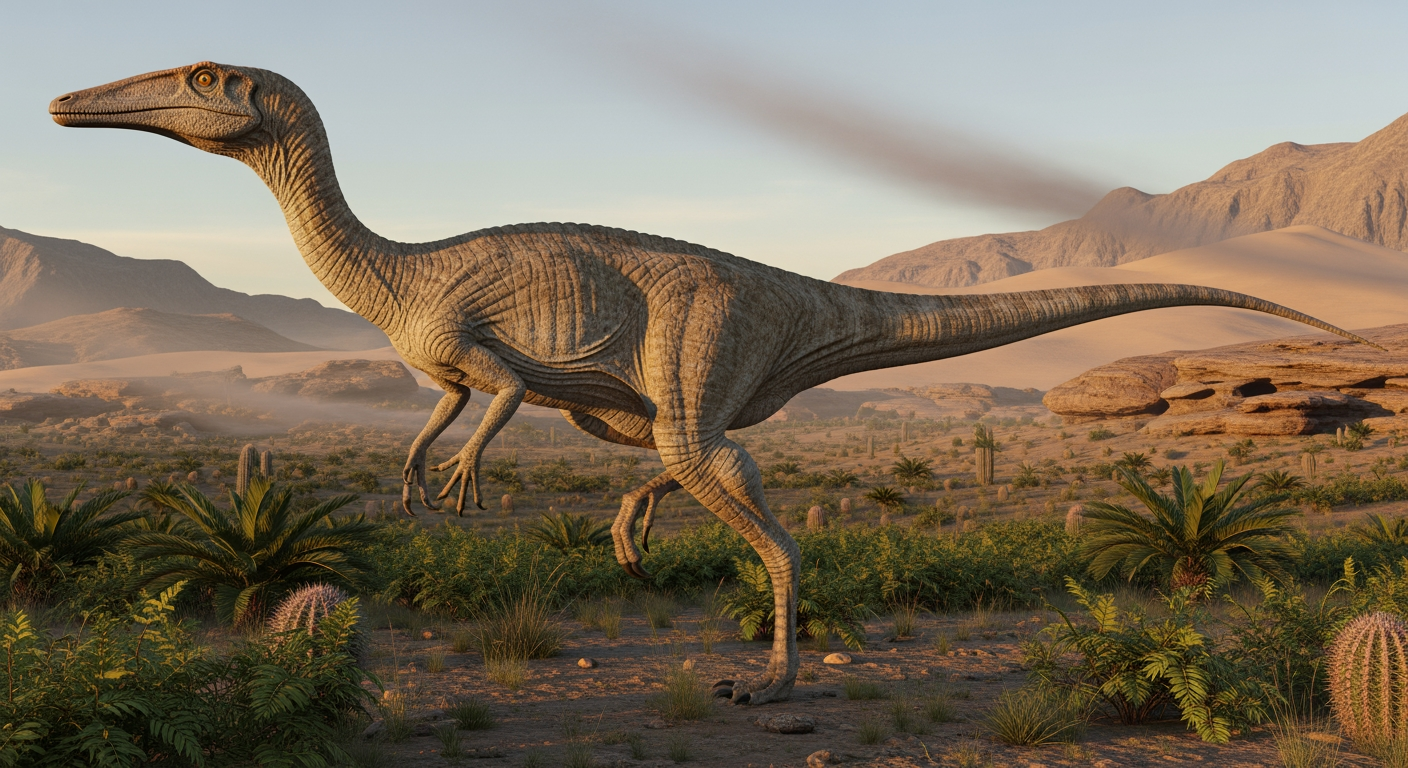
This theropod’s name refers to its “hollow form,” and it’s one of the earliest dinosaurs we know of, from the Late Triassic. Famous fossil beds in the USA (above all Ghost Ranch, New Mexico) have produced huge numbers of them, with close relatives known from southern Africa.
Coelophysis was around three metres long — its tail making up about half of that — standing roughly a metre tall and weighing 15 to 20 kilograms, about the size of a person. It had a narrow, flexible snout and curved, sharp teeth ideal for snatching small prey quickly, and it likely hunted in groups, living something like a modern wolf pack. That pack behaviour made it dangerous to lone animals even though it was small. For years Coelophysis was thought to be cannibalistic, but later study showed the supposed juveniles inside the adults were actually small reptiles — so the cannibalism story has since been overturned.
6. Allosaurus
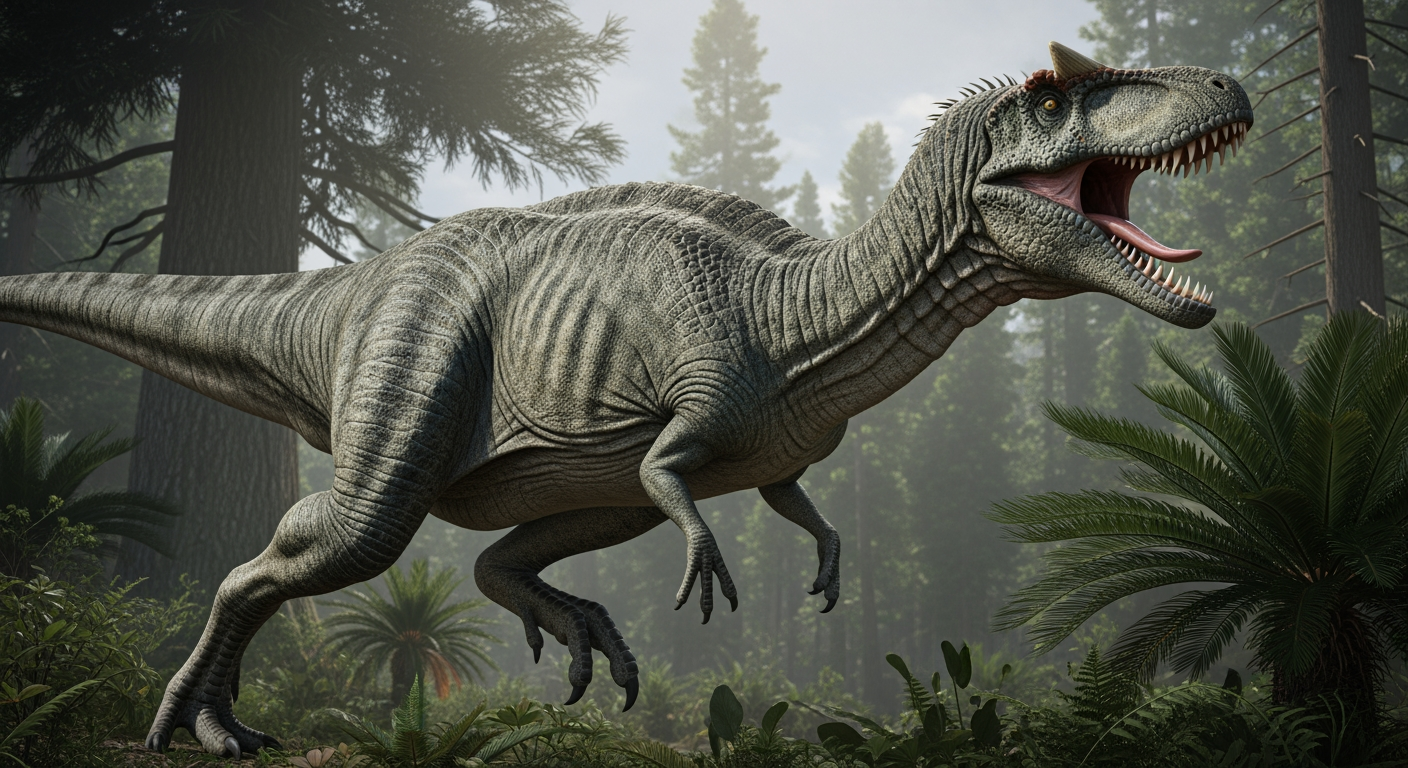
As its name (“different lizard”) suggests, Allosaurus was a theropod, and it lived in the Late Jurassic across North America and Europe. It was among the first dinosaurs ever discovered and one of the most studied, so we know it well — and it appears in countless films and documentaries.
Allosaurus was a biped with a robust body ending in a long tail, large arms tipped with three clawed fingers, an S-shaped neck and a narrow head crowned with small horns and ridges that set it apart from look-alike predators. Its jaws bristled with sharp, curved teeth. It measured up to around 9.7 metres — with the largest individuals possibly bigger — and adults weighed somewhere between roughly 1,000 and 4,000 kilograms.
As a carnivore it sat at the top of the food chain, taking herbivores of many sizes and not hesitating to go after large sauropods like Camarasaurus. One leading idea is that it drove its upper jaw down like a hatchet to open deep wounds — a deadly tactic, especially if (as some fossils hint) Allosaurus sometimes attacked in groups and set up ambushes. See our favourite Allosaurus toys for collectors.
5. Ankylosaurus
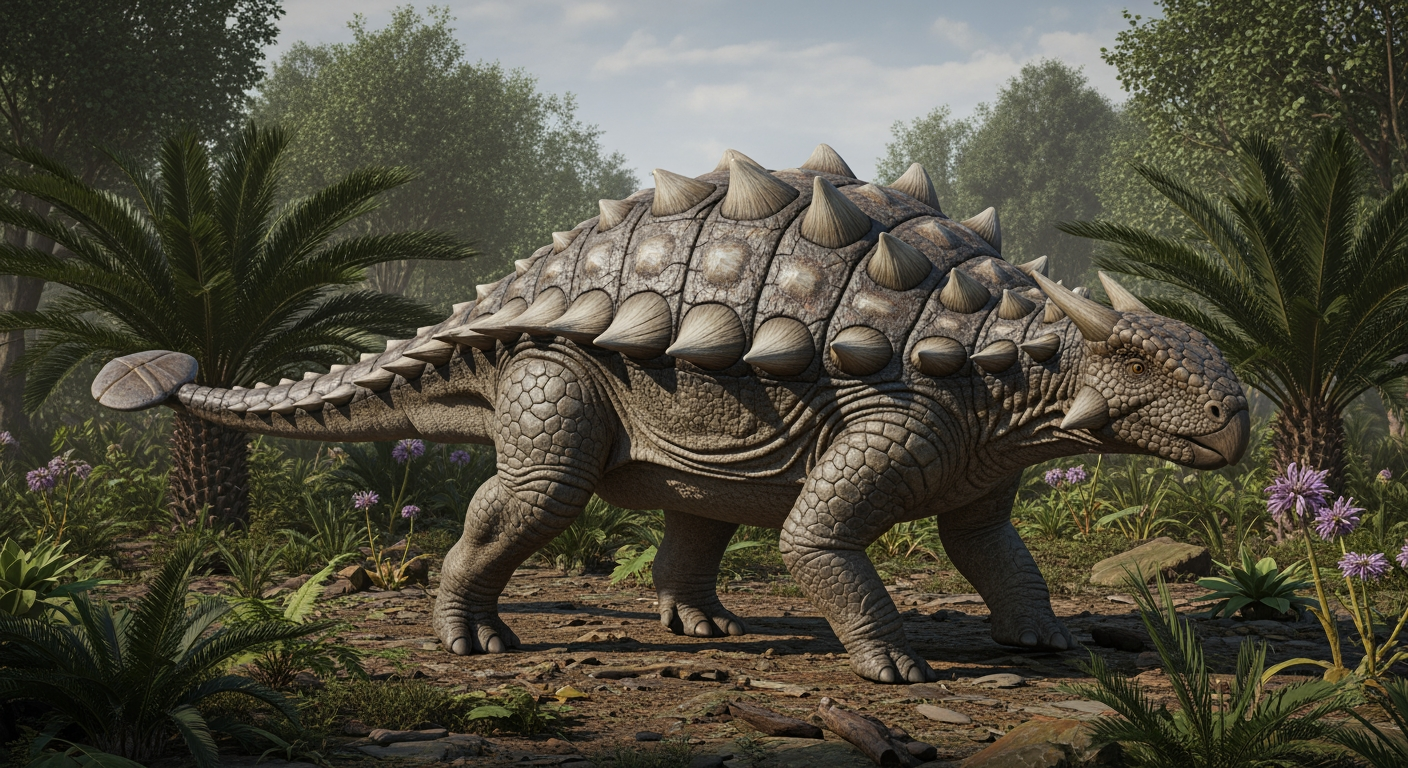
True to its name (“fused lizard”), Ankylosaurus was a heavily built herbivore that lived in North America right at the end of the Cretaceous, around 68 to 66 million years ago. An adult reached up to roughly eight metres long and about 1.7 metres tall, weighing several tonnes, and walked on four legs. Its jaws held only small teeth, so it cropped and swallowed vegetation with little chewing.
Its trademark was its armour: bony plates set in the skin, much like a crocodile’s, probably covered by a layer of keratin, plus four large pyramid-shaped horns at the back of the skull. The plates shielded it from predators, though its belly was unarmoured — so it would hunker down to protect its underside in a fight.
You might expect a plant-eater to be defenceless, but Ankylosaurus was anything but. Its tail ended in a heavy bony club, and with the right swing of those tail muscles it could shatter an attacker’s bones. Aimed well at the legs or head, that club gave even a Tyrannosaurus reason to think twice — see our Ankylosaurus toys if this armoured tank is your kind of dinosaur.
4. Majungasaurus
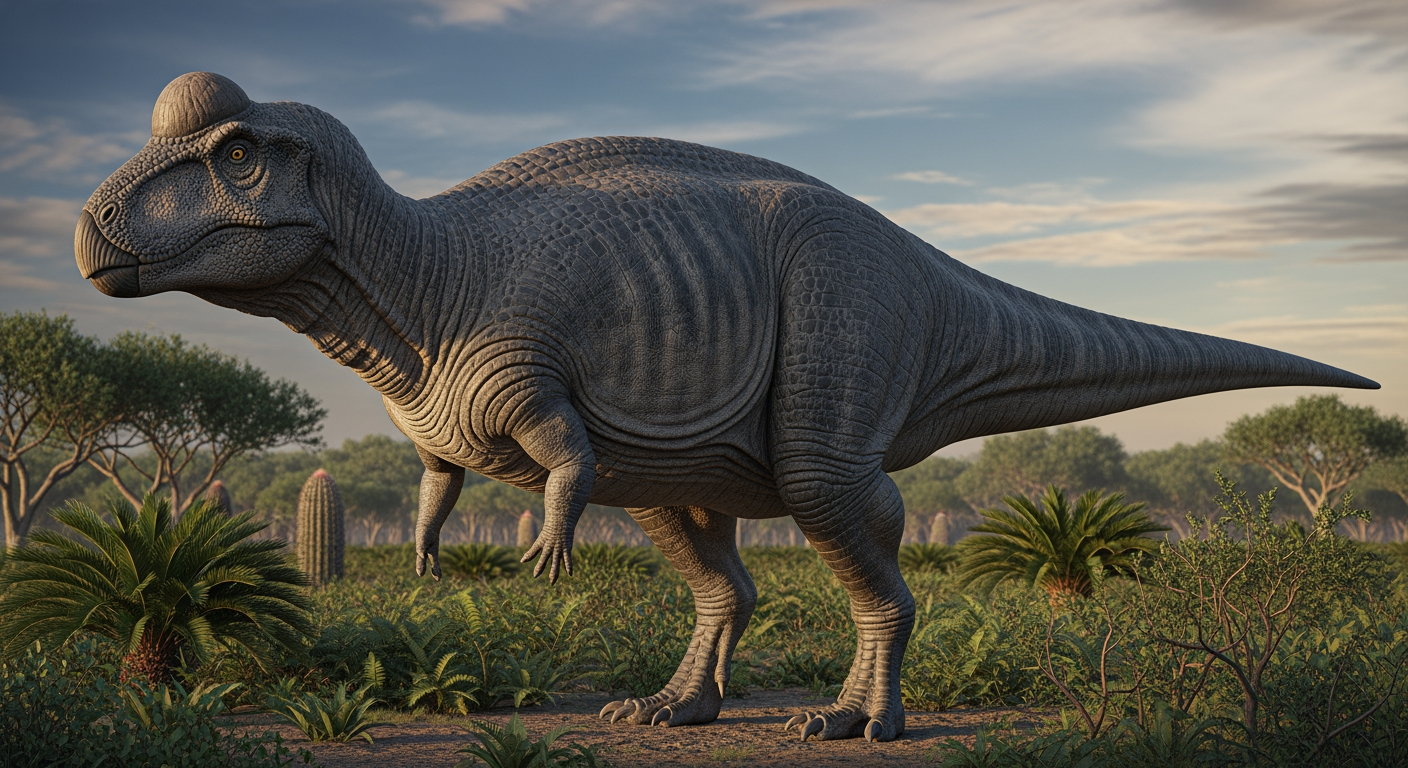
Its name means “Mahajanga lizard,” and this abelisaur theropod lived on Madagascar during the Late Cretaceous. It had an unusually short snout and a stocky build — about seven metres long and three metres tall, weighing around a tonne (with larger individuals heavier still).
We don’t know everything about it, but its arms were tiny while its hind legs were powerful, and its broad skull carried a single curved, dome-like horn. In its habitat it was the top predator, with sauropods among its main prey — and Majungasaurus is, in fact, the best-documented cannibal among dinosaurs: its own tooth marks have been found on the bones of other Majungasaurus. It may have scavenged carcasses too, making it the daily terror of the island’s smaller, plant-eating dinosaurs.
3. Spinosaurus
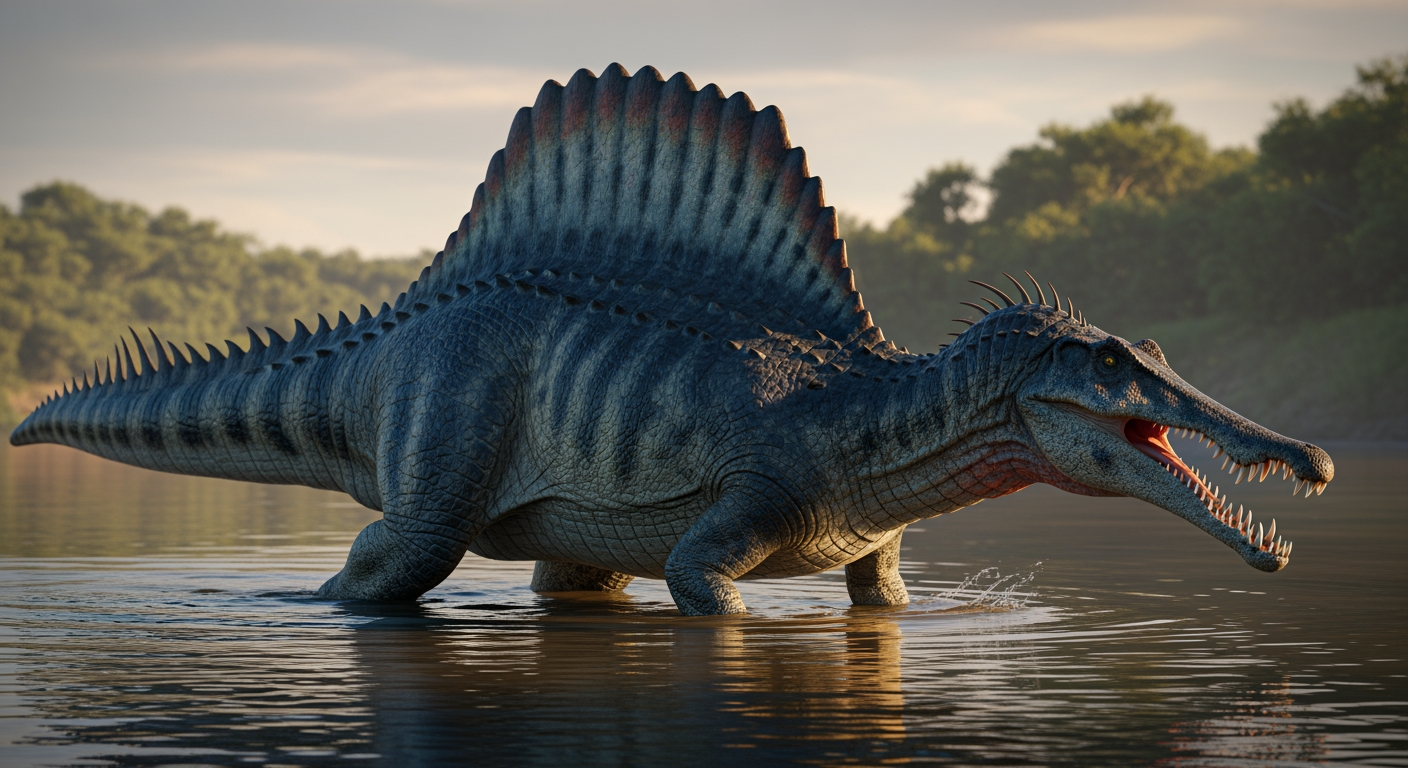
Spinosaurus lived through the Cretaceous in what is now the Maghreb region of North Africa. A leading hypothesis — still debated — holds that it was semi-aquatic, and its anatomy certainly fits a life around water: a long, narrow snout, cone-shaped teeth and a skull much like a modern crocodile’s, suited to a diet of fish and smaller dinosaurs. A low crest sat on its snout in front of the eyes, and a tall “sail” of spines ran down its back.
At around 15 metres long and perhaps 10 tonnes, Spinosaurus is the largest carnivorous dinosaur known to science. It’s easy to imagine the fear it inspired: a predator that could ambush prey from the water much as a crocodile does, and a serious rival to the giant croc Sarcosuchus that shared its rivers. If it tops your list, see our Spinosaurus toys guide.
2. Tyrannosaurus rex
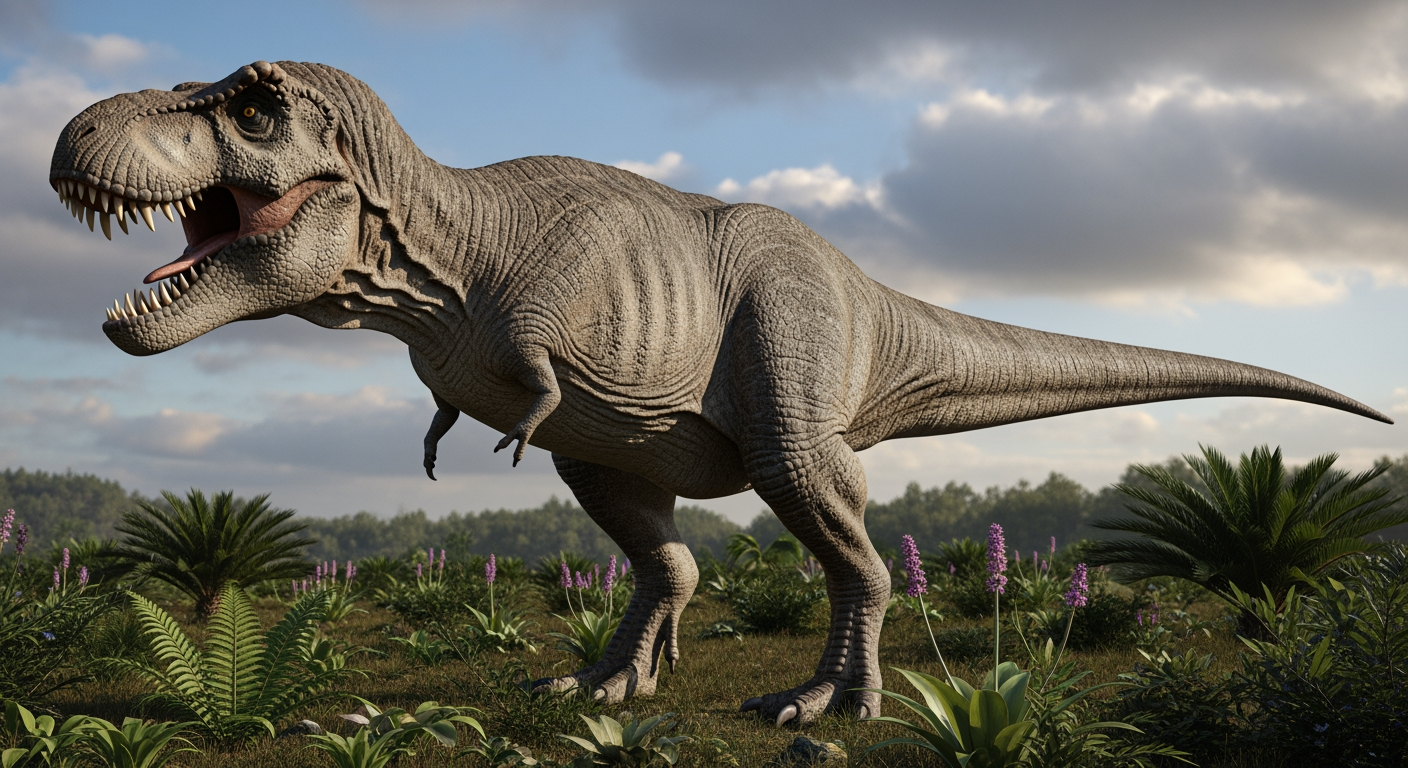
Tyrannosaurus lived in what is now North America at the very end of the Cretaceous. The “king of the tyrant lizards” needs no introduction — there’s barely a dinosaur film or documentary without it. Its long tail balanced a massive skull, and its famously small, two-fingered arms looked almost an afterthought on such a giant. It reached about 13 metres long, stood up to roughly four metres tall and may have weighed around eight tonnes.
This was an apex predator with few rivals, taking large herbivores — ceratopsians like Triceratops above all — and very likely scavenging carcasses when it could. It was larger than Allosaurus, and its eyesight was superb, letting it spot prey from a great distance. It may have had at least some feathers, though the skin impressions found so far are mostly scaly. Our T-Rex toys collection has it covered, from plush to realistic figures.
1. Giganotosaurus
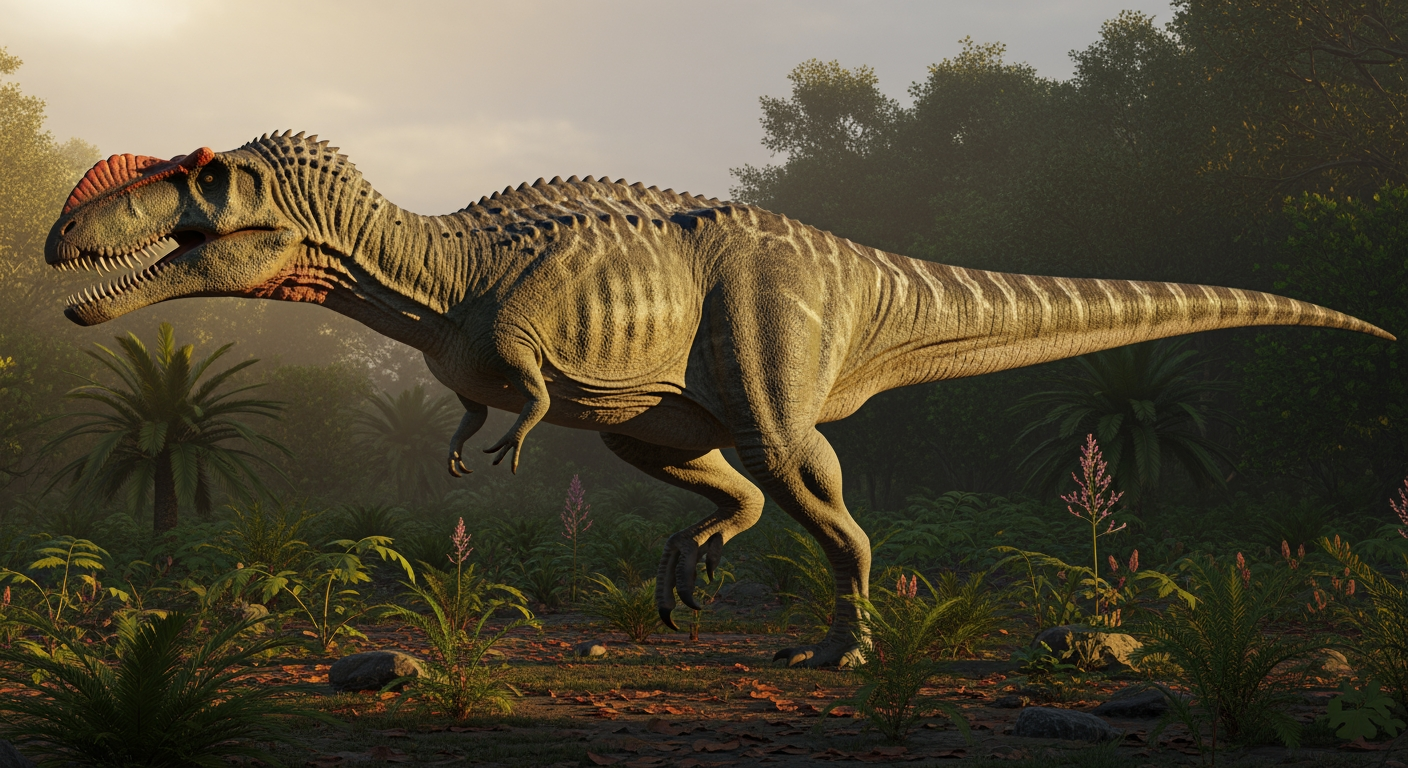
The “giant southern lizard” lived in South America at the start of the Late Cretaceous, and it takes our top spot. Estimates put it at around 12 to 13 metres long, 3.5 to 4.5 metres tall and perhaps eight tonnes — in the same league as T. rex, and in length quite possibly its equal or better.
Compared with Tyrannosaurus its eyesight was probably poorer, but that hardly made it less fearsome. Sitting well above the food chain, it preyed on large herbivores, and because its close relatives (like Mapusaurus) are found in groups, many researchers suspect Giganotosaurus may have hunted in packs too — which, for an animal this size, is exactly what lands it at number one.
From T. rex to raptors and sail-backed giants — collect the whole cast with our best dinosaur figures.
Frequently asked questions
What was the most dangerous dinosaur?
Was T. rex or Giganotosaurus bigger?
What is the most dangerous herbivore dinosaur?
Were any dinosaurs cannibals?
A note on accuracy: this is a fun, editorial “most dangerous” ranking rather than a scientific scoreboard. Sizes, weights and behaviours follow mainstream paleontology, but they are best estimates that change as new fossils are found.