Facts About Dinosaurs
Dinosaurs ruled the Earth for around 165 million years before vanishing roughly 66 million years ago — an almost unimaginable reign. The word means “terrible lizard,” but the real animals were far stranger and more varied than that name suggests, ranging from feathered hunters no bigger than a turkey to long-necked giants heavier than a dozen elephants, on every continent including Antarctica.
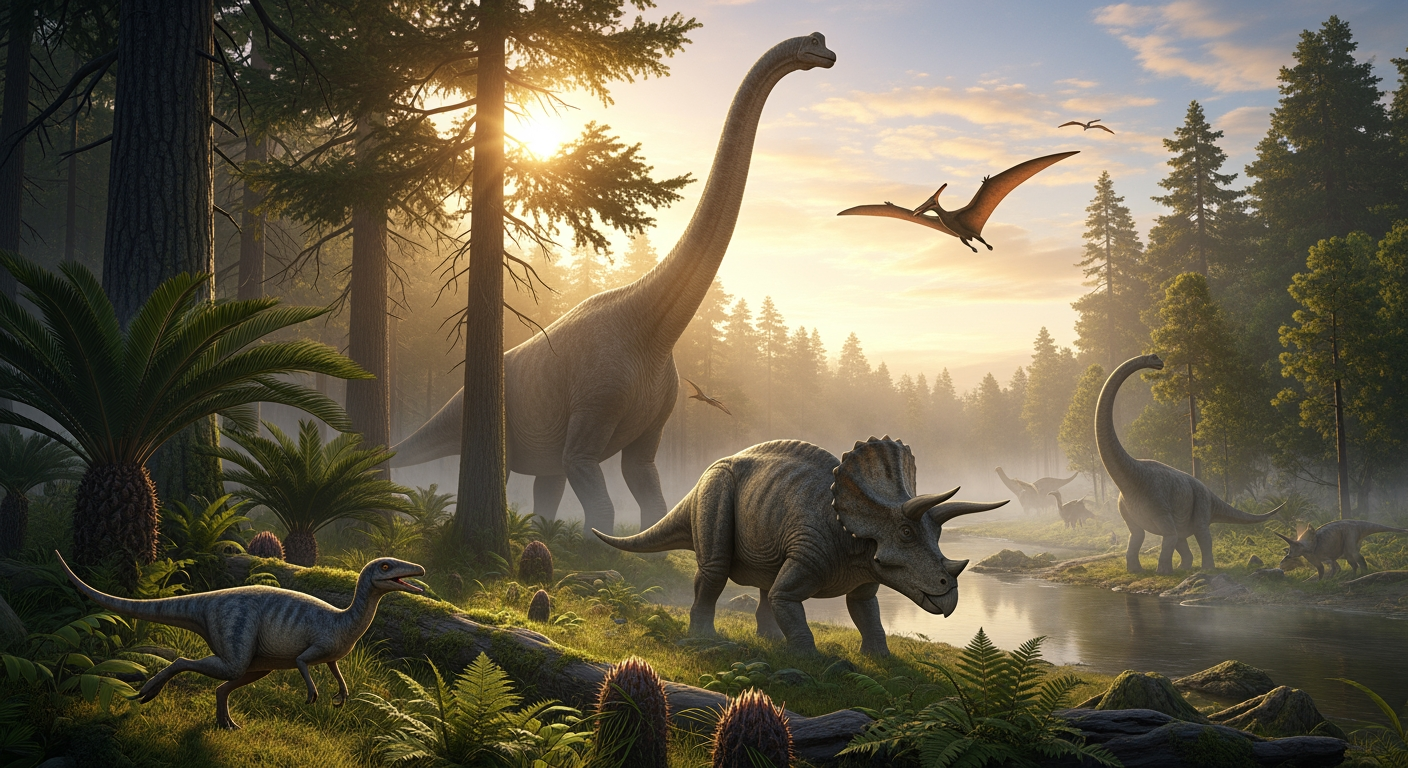
They appeared during the Triassic period, rose to dominance through the Jurassic, and reached their peak in the Cretaceous. Over that span they split into wonderfully different shapes: enormous long-necked sauropods like Apatosaurus that swallowed plants whole; two-legged theropod predators from the mighty Tyrannosaurus rex to the small, feathered Velociraptor; armored tanks like Ankylosaurus; plated Stegosaurus; and the duck-billed herds that grazed in their millions.
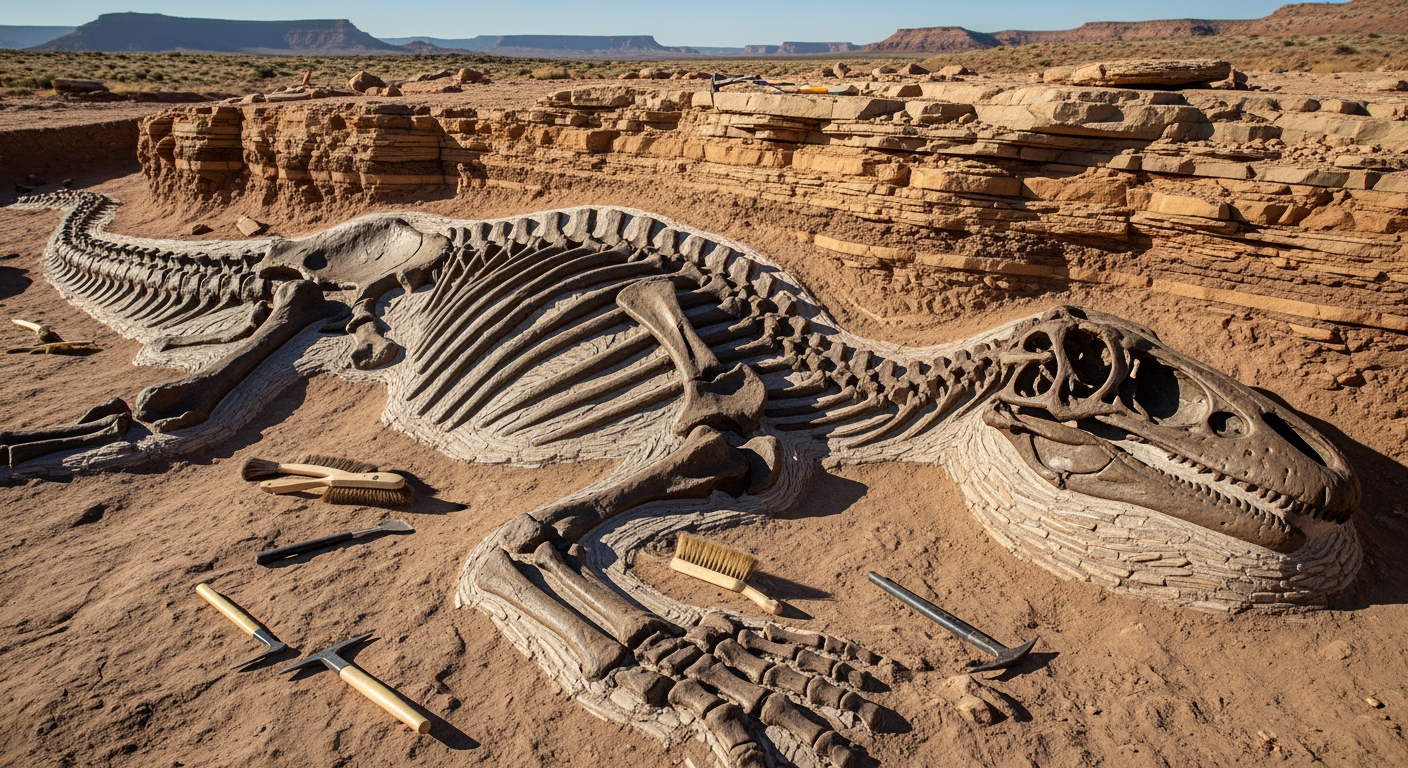
Part of what makes them so fascinating is how much we can read from what they left behind. A single fossil tooth can reveal whether a dinosaur ate plants or flesh, how it hunted, and even roughly how old it was when it died — flat grinding teeth point to a plant-eater, serrated blades to a predator. It’s how we know some dinosaurs carried hundreds of teeth at once, and that one in particular, Nigersaurus, had about 500 of them lined up like a living lawnmower across the front of its jaw. Diet, size, speed, even the famous sail of Spinosaurus: most of it was pieced together from fossils, one careful discovery at a time.
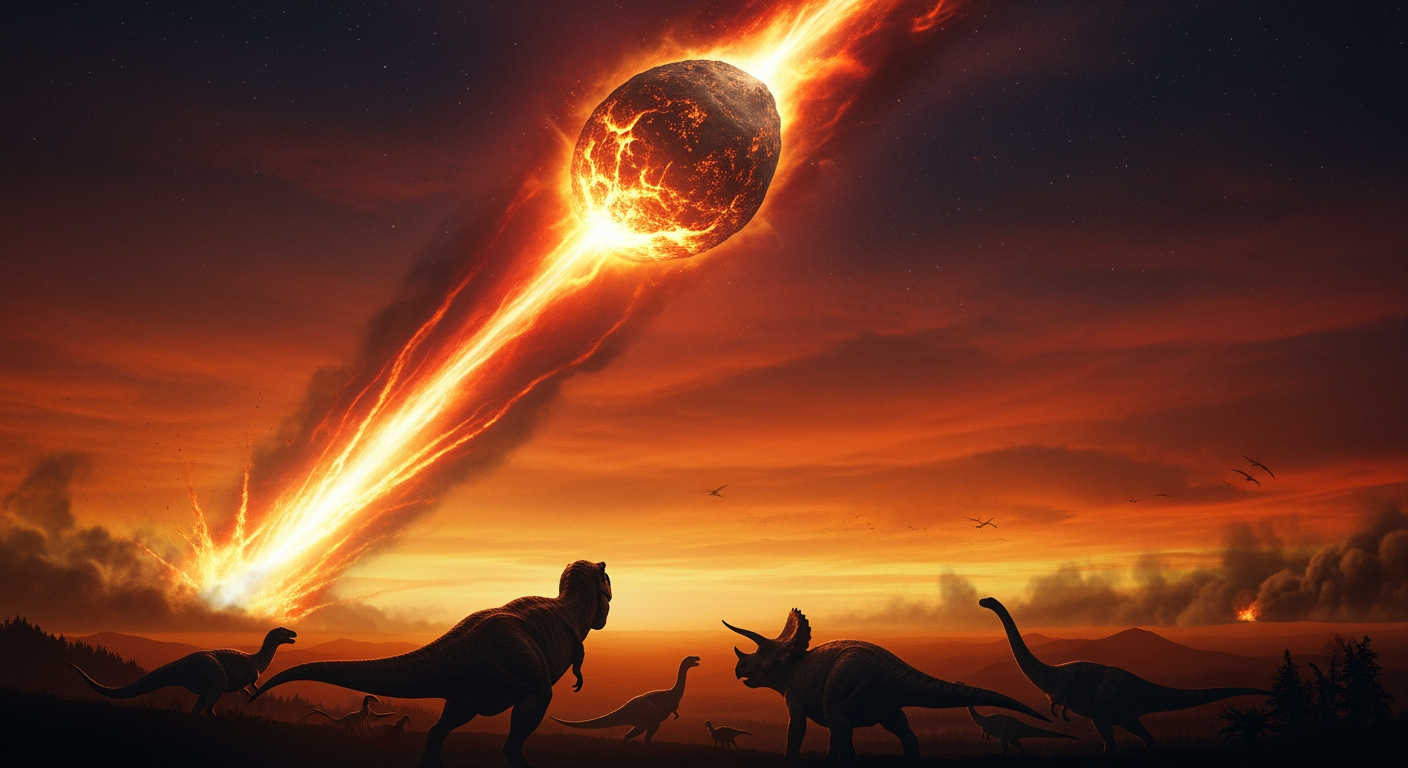
And they never entirely left. The asteroid impact 66 million years ago wiped out the giants, but one feathered branch survived — today’s birds are living dinosaurs. That link is also why we now know animals like Velociraptor were covered in feathers, looking nothing like their scaly Hollywood versions.
The records still astonish. The largest sauropods, such as Argentinosaurus, may have stretched well over 100 feet and weighed as much as ten elephants, while some feathered theropods were no bigger than a pigeon. A T. rex bite delivered an estimated 10,000 pounds per square inch — enough to crush bone — yet its tiny arms remain one of paleontology’s great unsolved puzzles. Some dinosaurs were surprisingly fast, others surprisingly social, nesting in colonies and tending their young. And new species are still named almost every week, which means the picture keeps shifting: much of what we thought we knew a generation ago has already been rewritten by better fossils.
The Dino Toys blog is where we dig into the questions people actually ask about these creatures. Which dinosaur really had 500 teeth, and which others come close? How big was a raptor compared to the movie monster? Was the T. rex a hunter or a scavenger? Each guide gathers what paleontologists currently know and separates solid science from the myths — and the wider site covers the toys and figures these animals inspire, from collector models to first dinosaurs for toddlers. Browse our latest articles below, with plenty more on the way.
Latest dinosaur articles
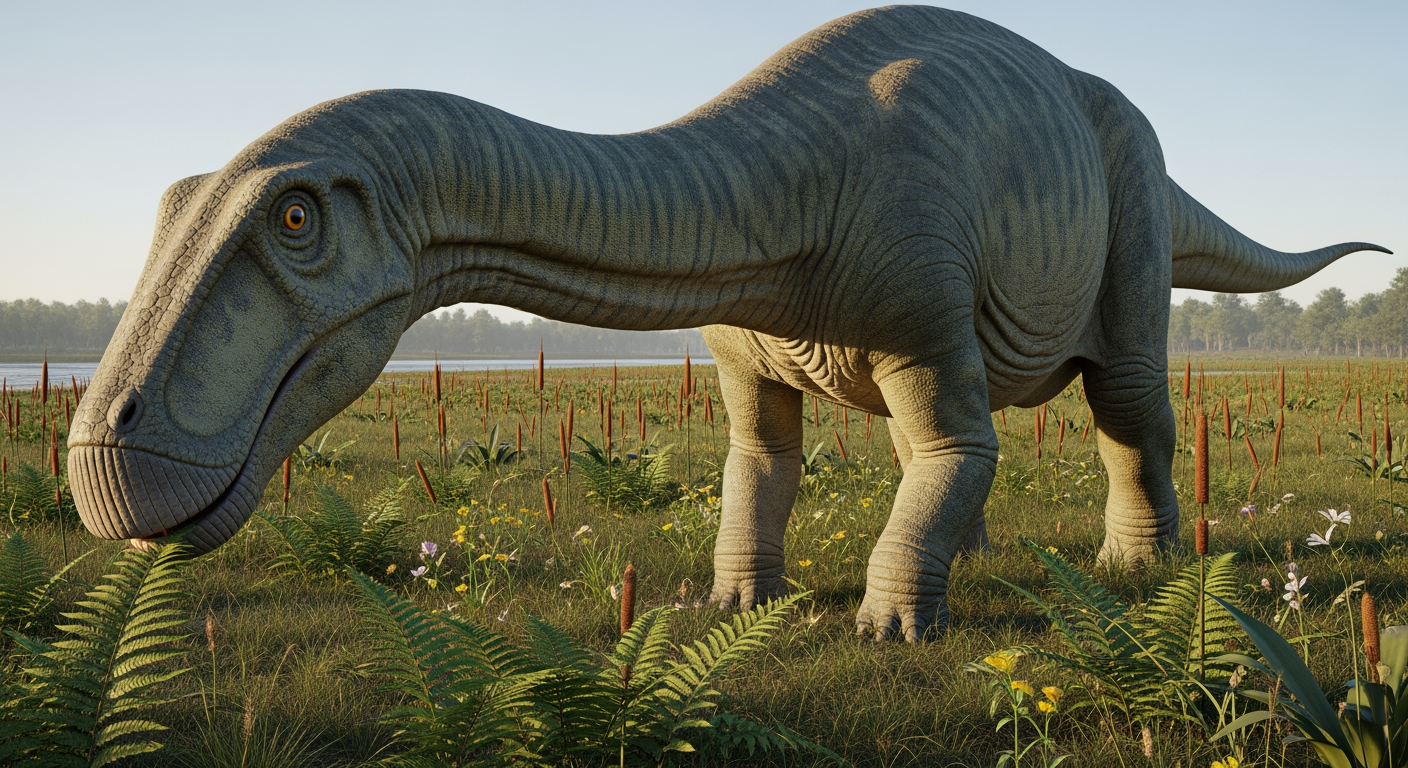
What Dinosaur Has 500 Teeth? Meet the 10 Most Fierce-Toothed Giants
The answer is Nigersaurus — but it’s only the start. Meet the ten toothiest dinosaurs ever, with teeth counts, facts and a full FAQ.
Read the guide →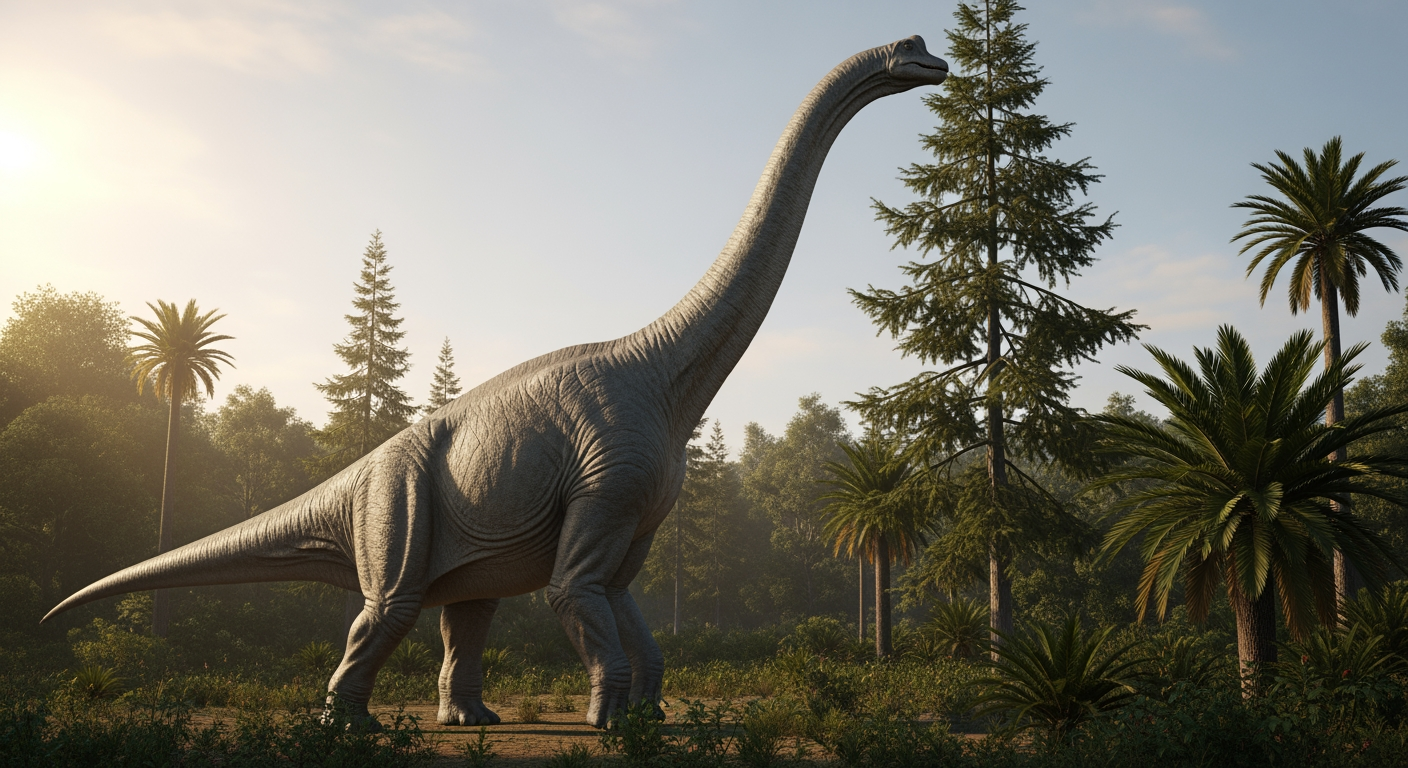
The Top 11 Long Neck Dinosaurs That Dominated Our Planet
From Supersaurus to Camarasaurus — the 11 longest-necked sauropods ever, ranked by neck length, with sizes, facts and a full FAQ.
Read the guide →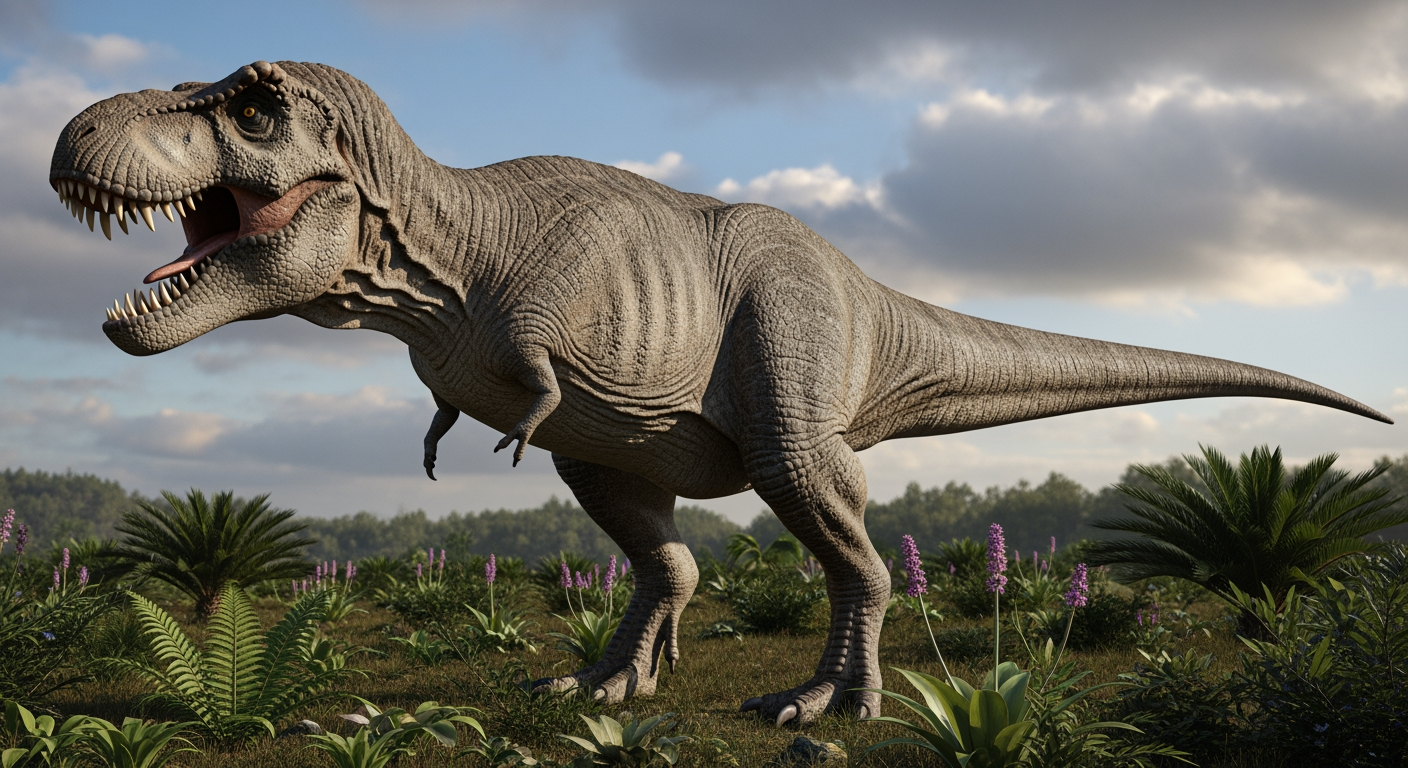
The Top 10 Most Dangerous Dinosaurs That Ever Lived
From a whip-tailed giant to colossal apex predators — our countdown of the 10 most dangerous dinosaurs ever, ranked, with sizes and facts.
Read the guide →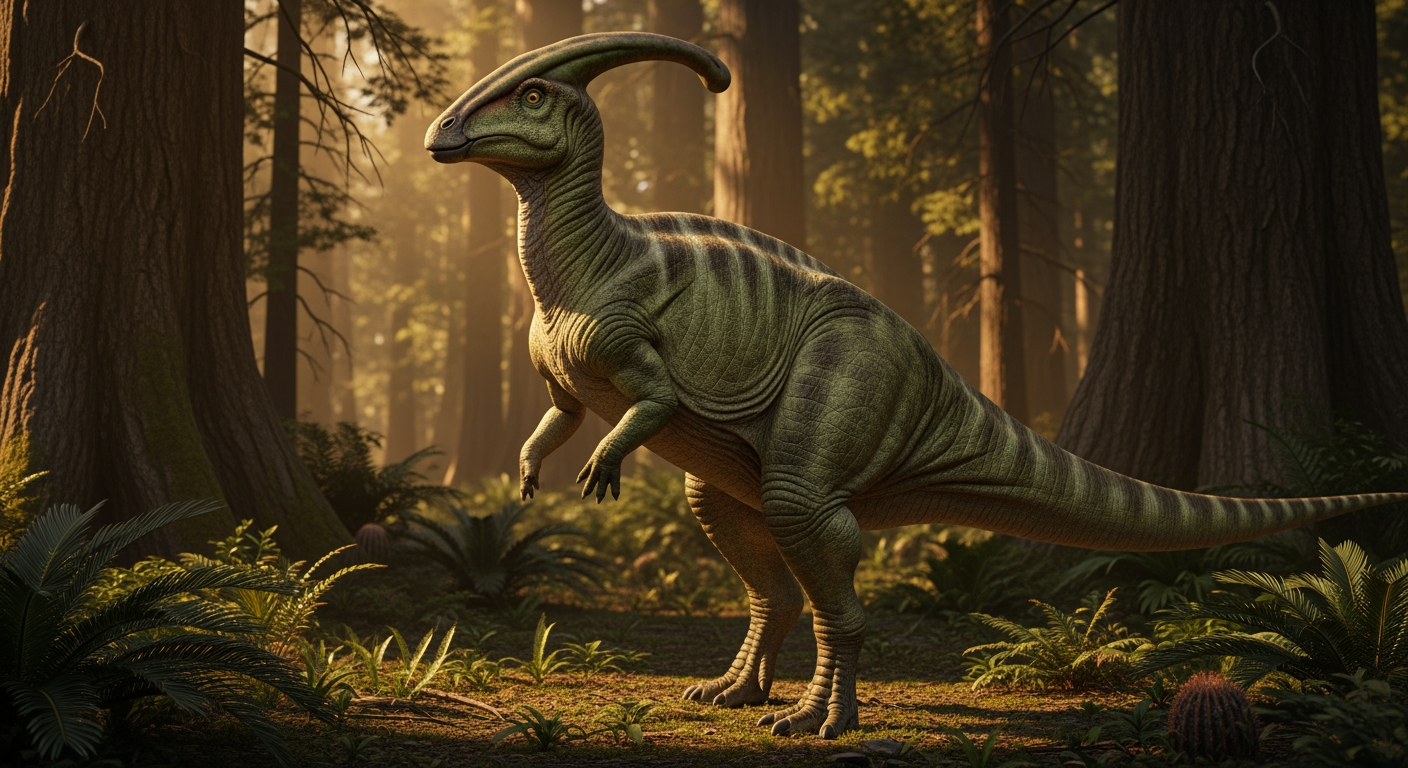
The Longest Dinosaur Name: The Top 10 Tongue-Twisters and What They Mean
What’s the longest dinosaur name? Meet the 23-letter record-holder and nine more wonderfully long names, with their meanings.
Read the guide →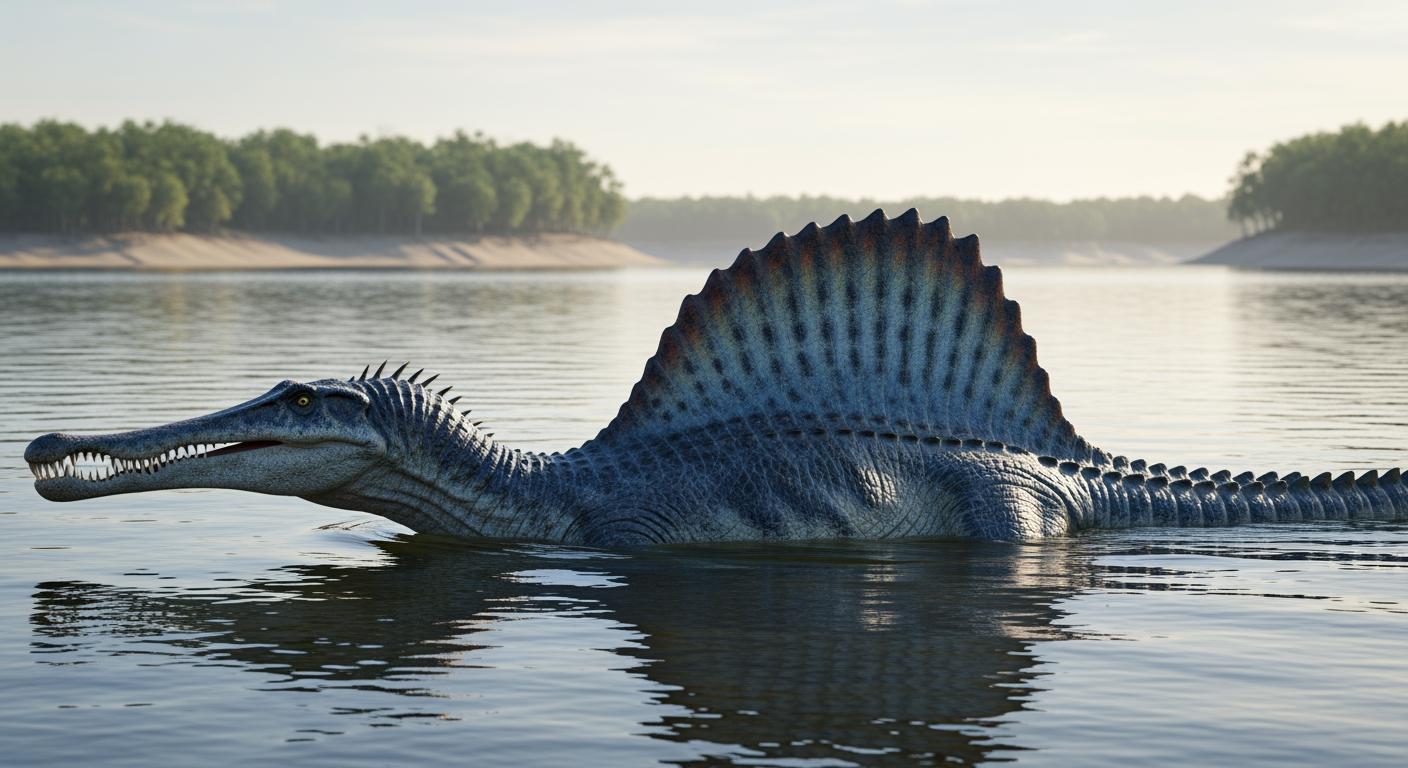
Can Dinosaurs Swim? The Evidence for Aquatic Dinosaurs
Could dinosaurs swim? Meet the best aquatic candidates like Spinosaurus — and why the real sea monsters weren’t dinosaurs at all.
Read the guide →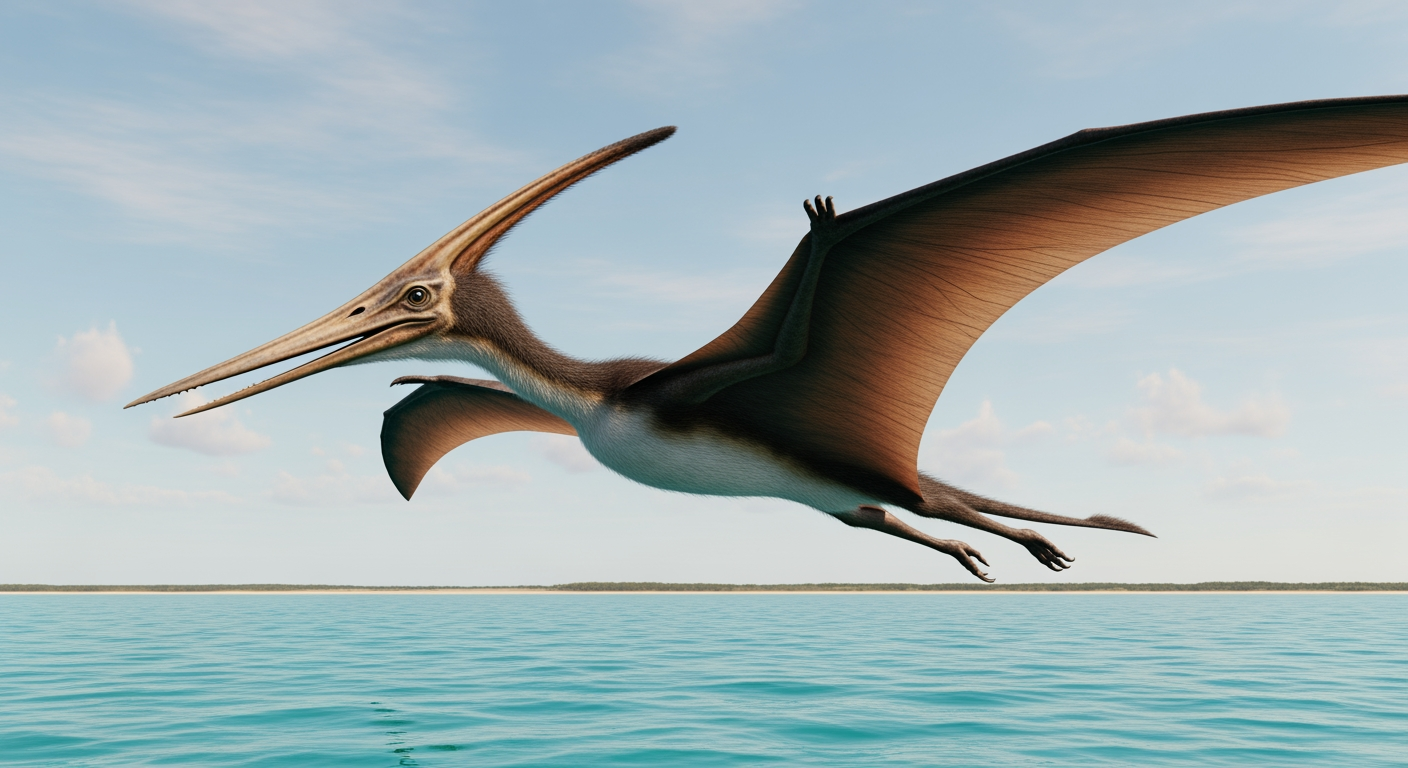
Flying Dinosaurs: Every Famous Flyer and What It Really Was
Were “flying dinosaurs” really dinosaurs? Meet every famous flyer — Pterodactyl, Pteranodon, Quetzalcoatlus and more — and the surprising truth about them.
Read the guide →