Affiliate Disclosure: This article contains affiliate links to Amazon. If you make a purchase through these links, we may earn a small commission at no extra cost to you. This helps support DINO TOYS and allows us to continue creating great content about dinosaurs!
Our Top Picks
⚡ Our top picks
Editor’s pick Schleich T-Rex View on Amazon Best STEM pick National Geographic Dino Dig Kit View on Amazon Best plush Aurora Dinosaur Plush View on Amazon Editor's pickSchleich T-Rex
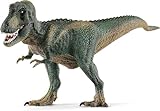
★★★★☆ (12,400+ ratings)The gold standard for realistic dinosaur figures. Hand-painted, museum-quality detail.
Best STEM pickNational Geographic Dino Dig Kit
★★★★☆ (14,000+ ratings)Excavate real fossils. Includes tools and learning guide. Hours of educational fun.
Best plushAurora Dinosaur Plush
★★★★☆ (3,400+ ratings)Super soft, huggable, and perfectly sized for little hands. Bean-filled for a floppy cuddle feel.


When kids (and adults) stare up at a massive T-Rex skeleton in a museum, one of the first questions is: “are dinosaur bones in museums real?” The answer is more nuanced and interesting than a simple yes or no — and understanding the difference between real fossils, fossil casts, and display replicas makes museum visits much more educational.
Are Dinosaur Bones in Museums Real?
Most dinosaur skeletons displayed in museums are casts (replicas), not original fossils — typically 70–90% of the bones you see are high-quality reproductions. However, many museums display some real fossil bones alongside the casts, and nearly all museums have extensive collections of real fossils in research vaults behind the scenes. The mounted skeletons you see are usually a mix of real bones and cast replacements for missing or fragile elements.
Why Museums Use Fossil Casts
Fragility of Real Fossils
Real dinosaur fossils are irreplaceable scientific specimens that can be damaged by temperature changes, humidity, vibration, and light exposure. Mounting a 40-foot skeleton using original fossils risks permanent damage to priceless research material. Casts made from molds of real fossils capture every surface detail while being significantly lighter, stronger, and less susceptible to environmental damage than the originals.
Incomplete Skeletons
No complete T-Rex skeleton has ever been found — even “Sue,” the most complete T-Rex (at the Field Museum in Chicago), is only about 90% complete. Missing bones are recreated as casts based on closely related species or mirror-imaged from the opposite side of the skeleton. Most displayed dinosaurs are 40–60% real fossil with the rest filled in by scientifically accurate casts.
Sharing Between Museums
Fossil casts allow multiple museums worldwide to display the same famous specimen. Only one museum can have the original “Sue” T-Rex, but dozens of museums display cast replicas that are visually identical. This democratizes access to paleontology — kids in Tokyo, London, and New York can all see a full-size T-Rex without the original leaving Chicago.
How to Tell Real Fossils from Casts
In most museums, real fossil bones have a slightly different color and texture than casts — they tend to be darker, heavier-looking, and sometimes show tiny cracks and mineral inclusions. Cast replicas are usually uniformly colored and smoother. Many museums label which bones are real and which are casts — look for small plaques or ask a museum guide. Some museums display real fossils in separate cases alongside the mounted skeletons so visitors can touch and examine genuine specimens up close.
Famous Museums with Real Dinosaur Fossils
Must-Visit Dinosaur Museums
The American Museum of Natural History (New York), Field Museum (Chicago — home of Sue the T-Rex), Smithsonian Natural History Museum (Washington DC), Natural History Museum (London), and Royal Tyrrell Museum (Alberta, Canada) all have extensive collections of real dinosaur fossils. The Royal Tyrrell Museum in Drumheller, Alberta is considered the world’s best dinosaur museum, with over 160,000 real specimens. For families planning museum visits, the DK Dinosaur Visual Encyclopedia makes an excellent companion guide.
🛒 Check Today’s Price on Amazon
Bring the Museum Home with Dinosaur Toys
After a museum visit, kids often want to recreate the experience at home. The LEGO Ideas Dinosaur Fossils set builds three brick-built skeleton display models with museum-style stands. National Geographic’s Dino Dig Kit lets kids excavate their own skeleton. Safari Ltd and Schleich produce museum-quality figures based on real fossil reconstructions. These toys extend the museum learning experience into daily play.
🛒 Check Today’s Price on Amazon
Frequently Asked Questions
Is Sue the T-Rex skeleton real?
The Sue exhibit at the Field Museum in Chicago is approximately 90% real fossil bone — the most complete T-Rex ever found. Some missing or damaged bones have been replaced with casts. The skull on the main display is actually a cast because the real skull (weighing 600 pounds) was too heavy for the mount. The real skull is displayed separately in a glass case on the museum’s upper level where visitors can examine it closely.
How are dinosaur fossil casts made?
Museum casts are made by creating a detailed silicone or rubber mold of the original fossil, then filling it with resin, fiberglass, or plaster. Modern casting techniques capture surface detail down to microscopic levels — even experienced paleontologists sometimes need to examine a cast carefully to distinguish it from the original. The process takes several days per bone and is performed by specialized fossil preparation technicians.
Can you touch real dinosaur bones at museums?
Most museums have designated touchable fossil specimens — usually isolated bones or fossil replicas — in interactive areas. The mounted skeletons are never touchable for preservation reasons. The Smithsonian, Natural History Museum London, and many children’s museums feature hands-on fossil stations. Ask museum staff about touch-friendly exhibits during your visit.
Are dinosaur bones actually bones or rocks?
Dinosaur “bones” are actually fossils — the original bone material has been gradually replaced by minerals over millions of years through a process called permineralization. The resulting fossil is essentially stone that preserves the exact shape and internal structure of the original bone. Real fossilized dinosaur bones are heavy, hard, and rock-like because they literally are rock that formed in the shape of bone.
Where can I buy museum-quality dinosaur replicas?
For museum-quality dinosaur figures, PNSO produces the most detailed consumer-grade models based on real fossil reconstructions. Safari Ltd and Schleich offer excellent mid-range figures. The LEGO Ideas Dinosaur Fossils set builds display-worthy skeleton models. For real fossil specimens, reputable dealers sell authentic small fossils (shark teeth, ammonites) starting at $5–$15. See our realistic dinosaur figures guide for complete brand rankings.
Related Dinosaur Guides
- Types of Dinosaurs — Complete Guide
- Best Dinosaur Toys 2026
- Best Dinosaur Books for Kids
- Best Dinosaur STEM Toys
- Realistic Dinosaur Figures
- Dinosaur Figurines Guide
- Best Dinosaur LEGO Sets
- Schleich vs Safari Ltd Comparison
- Best Dinosaur Toys by Age
- Best T-Rex Toys