Dino Toys is reader-supported. When you buy through links on this page we may earn an affiliate commission, at no extra cost to you. As an Amazon Associate we earn from qualifying purchases.
The Longest Dinosaur Name: The Top 10 Tongue-Twisters and What They Mean
Like all dinosaur fans, you’ve probably wondered: what is the longest dinosaur name? Here’s the record-holder, nine more wonderfully long and strange names, and the story of how paleontologists actually decide what to call a brand-new dinosaur.
The short version
- The longest dinosaur name is Micropachycephalosaurus — 23 letters, meaning “small thick-headed lizard,” for a dinosaur barely a metre long.
- Dinosaur names use binomial nomenclature: a genus plus a species, built from Greek and Latin roots.
- Names can describe looks (Triceratops = “three-horned face”), honour a person, or mark where the fossil was found.
- Some are pure fun — Dracorex hogwartsia nods straight to Harry Potter.
The 10 longest and most remarkable dinosaur names
One name towers over the rest for sheer length — but the other nine are every bit as fun to say. Here they are, with what each one actually means.
| # | Name | Meaning | Lived |
|---|---|---|---|
| 1 | Micropachycephalosaurus | “small thick-headed lizard” | Late Cretaceous, China |
| 2 | Parasaurolophus walkeri | “near crested lizard” | Late Cretaceous, N. America |
| 3 | Sauroposeidon proteles | “earthquake-god lizard” | Early Cretaceous, N. America |
| 4 | Camarasaurus supremus | “chambered lizard” | Late Jurassic, N. America |
| 5 | Opisthocoelicaudia skarzynskii | “rear-hollow tail” | Late Cretaceous, Mongolia |
| 6 | Amargasaurus cazaui | “La Amarga lizard” | Early Cretaceous, Argentina |
| 7 | Coelophysis bauri | “hollow form” | Late Triassic, N. America |
| 8 | Thescelosaurus neglectus | “marvelous lizard” | Late Cretaceous, N. America |
| 9 | Borogovia gracilicrus | after the “borogove” (Jabberwocky) | Late Cretaceous, Mongolia |
| 10 | Irritator challengeri | “the irritator” | Early Cretaceous, Brazil |
1. Micropachycephalosaurus — the record holder
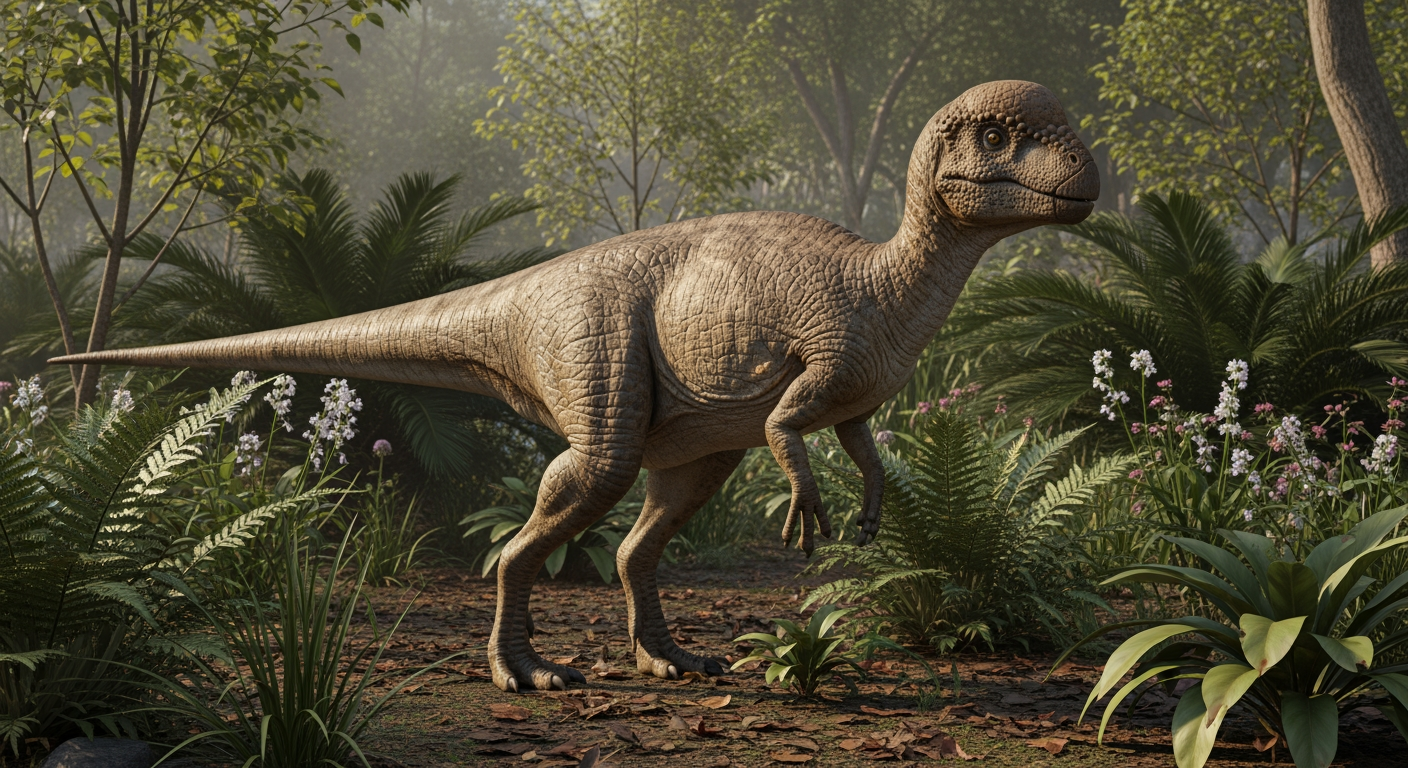
The longest dinosaur name belongs to Micropachycephalosaurus — 23 letters and nine syllables meaning, rather wonderfully, “small thick-headed lizard.” It was a tiny herbivore from the Late Cretaceous of China, growing barely a metre long, with a thickened, dome-like skull. Researchers still debate exactly where it sits on the family tree (its name links it to the dome-headed pachycephalosaurs, though some studies place it elsewhere), but its place in the record books is secure.
2. Parasaurolophus walkeri
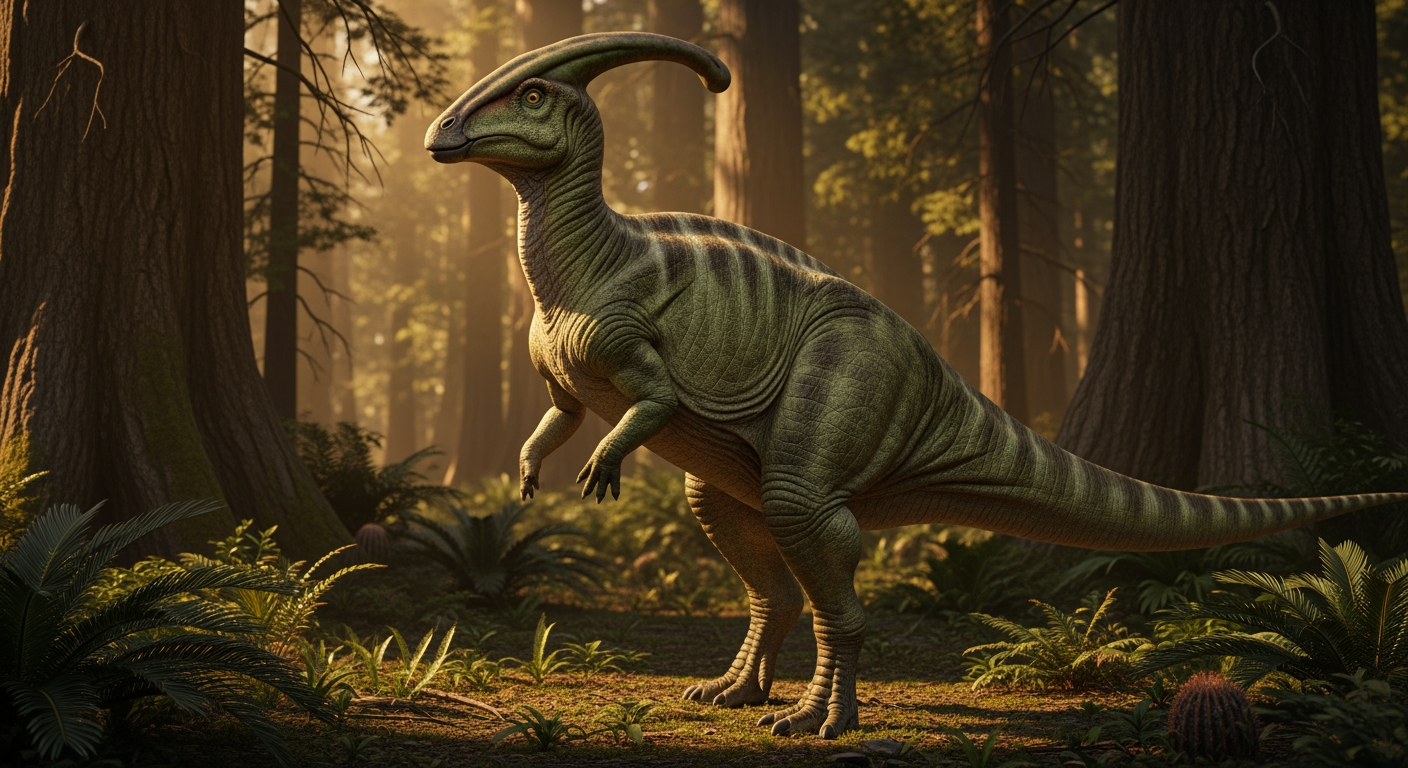
Second place goes to Parasaurolophus walkeri, a hadrosaur (“duck-billed” dinosaur) famous for the long, hollow crest sweeping back from its skull. That crest is widely thought to have acted as a resonating chamber, letting the animal produce low, far-carrying calls to communicate across the herd. It roamed North America during the Late Cretaceous.
3. Sauroposeidon proteles
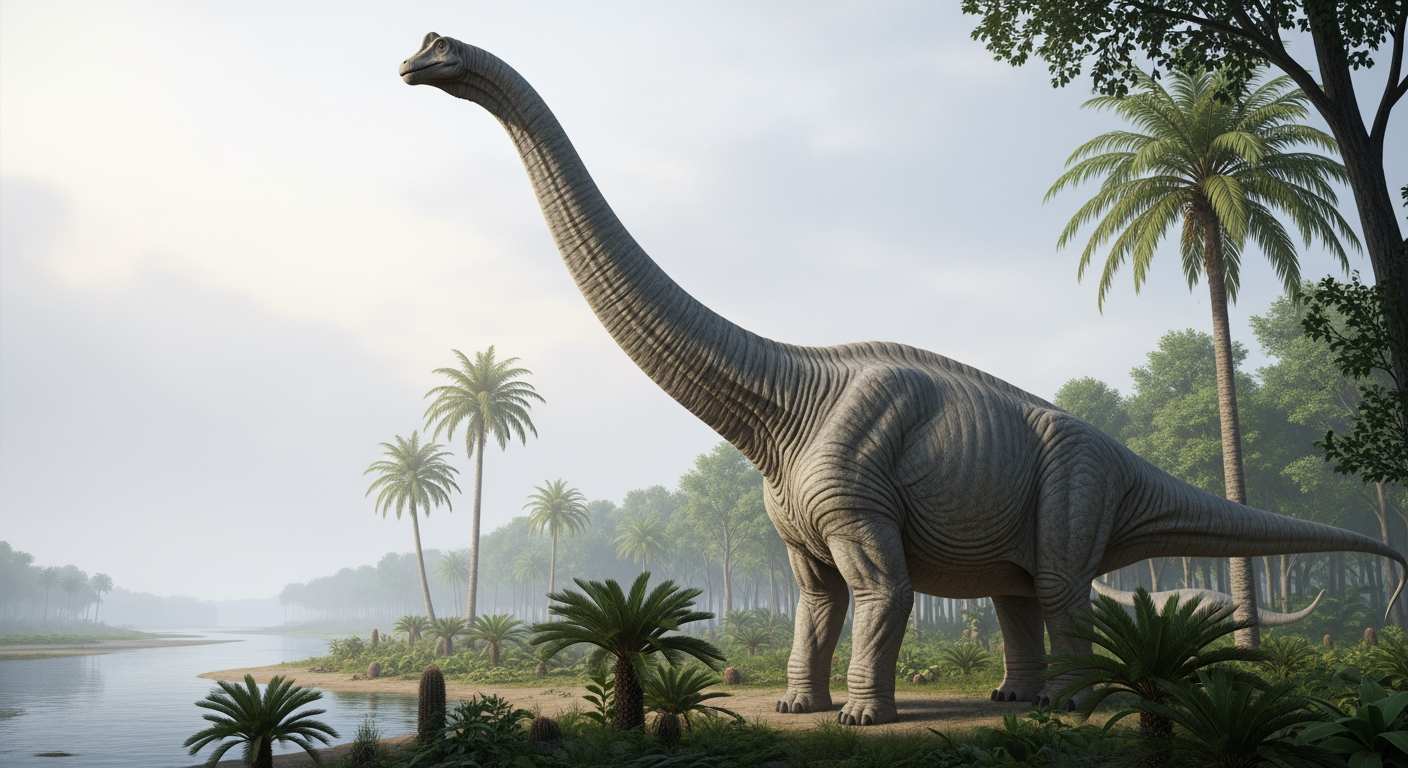
An enormous sauropod, possibly the tallest and one of the heaviest ever discovered, Sauroposeidon paired a colossal neck with a surprisingly light build. Its fossils point to North America in the Early Cretaceous. It’s one of the giants we cover in our guide to long neck dinosaurs.
4. Camarasaurus supremus
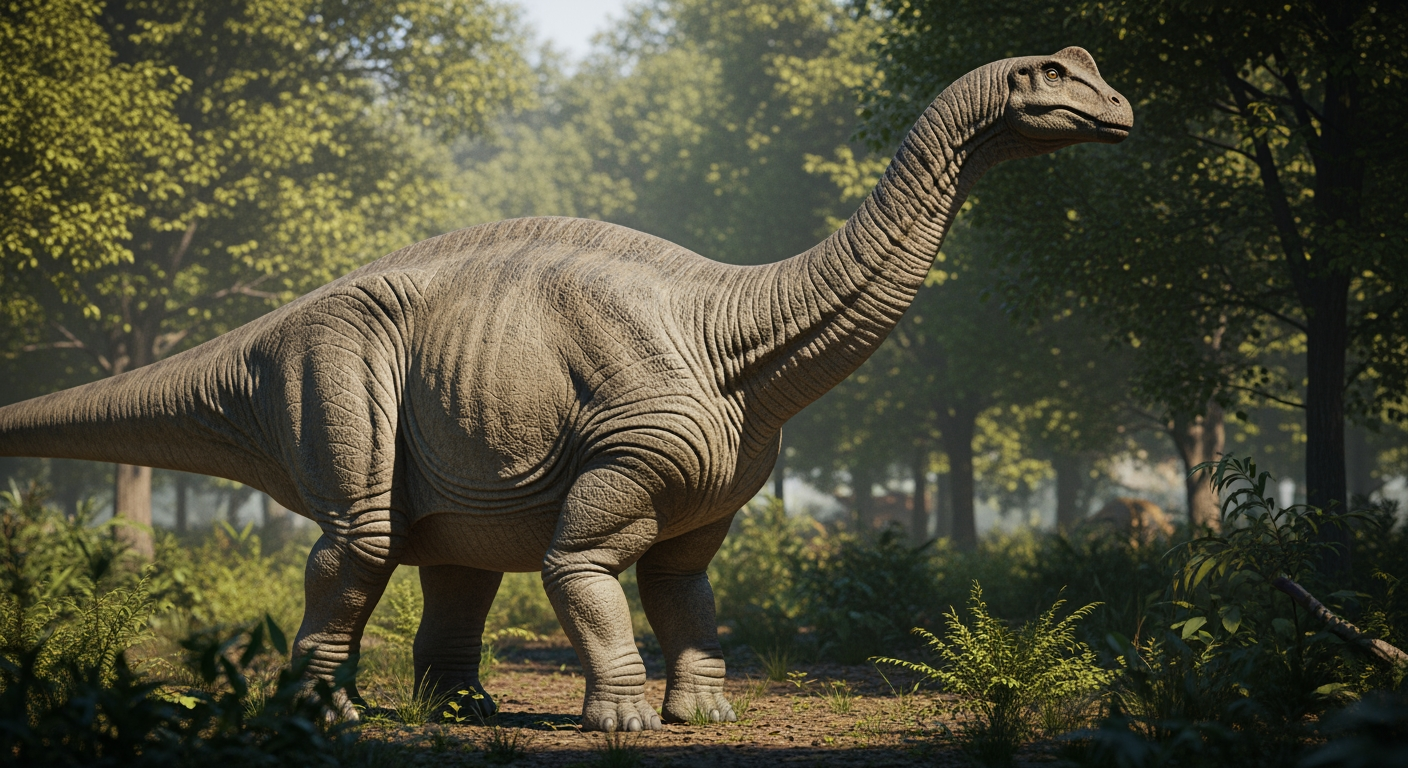
Camarasaurus supremus was a robustly built herbivore with a shorter neck than many other sauropods. It lived in North America during the Late Jurassic and is one of the most commonly found sauropods in the Morrison Formation — another regular in our long neck dinosaurs rundown.
5. Opisthocoelicaudia skarzynskii
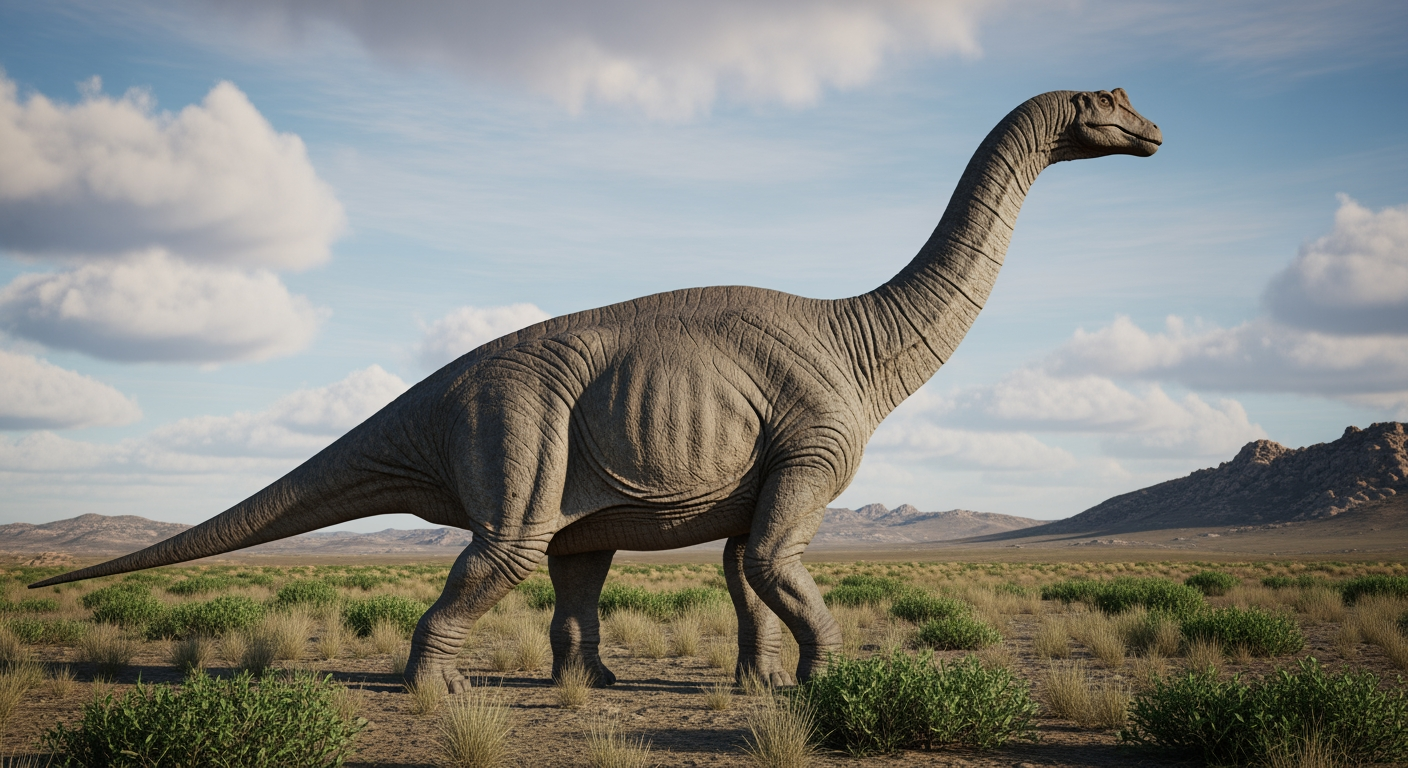
Opisthocoelicaudia was a titanosaurian sauropod of the Late Cretaceous. Its tongue-twister of a name refers to its unusual tail vertebrae, which were opisthocoelous — hollow at the rear, forming ball-and-socket joints. Its fossils were unearthed in Mongolia (in the Nemegt Formation) and described by a Polish team, which is why the name carries a Polish dedication.
6. Amargasaurus cazaui
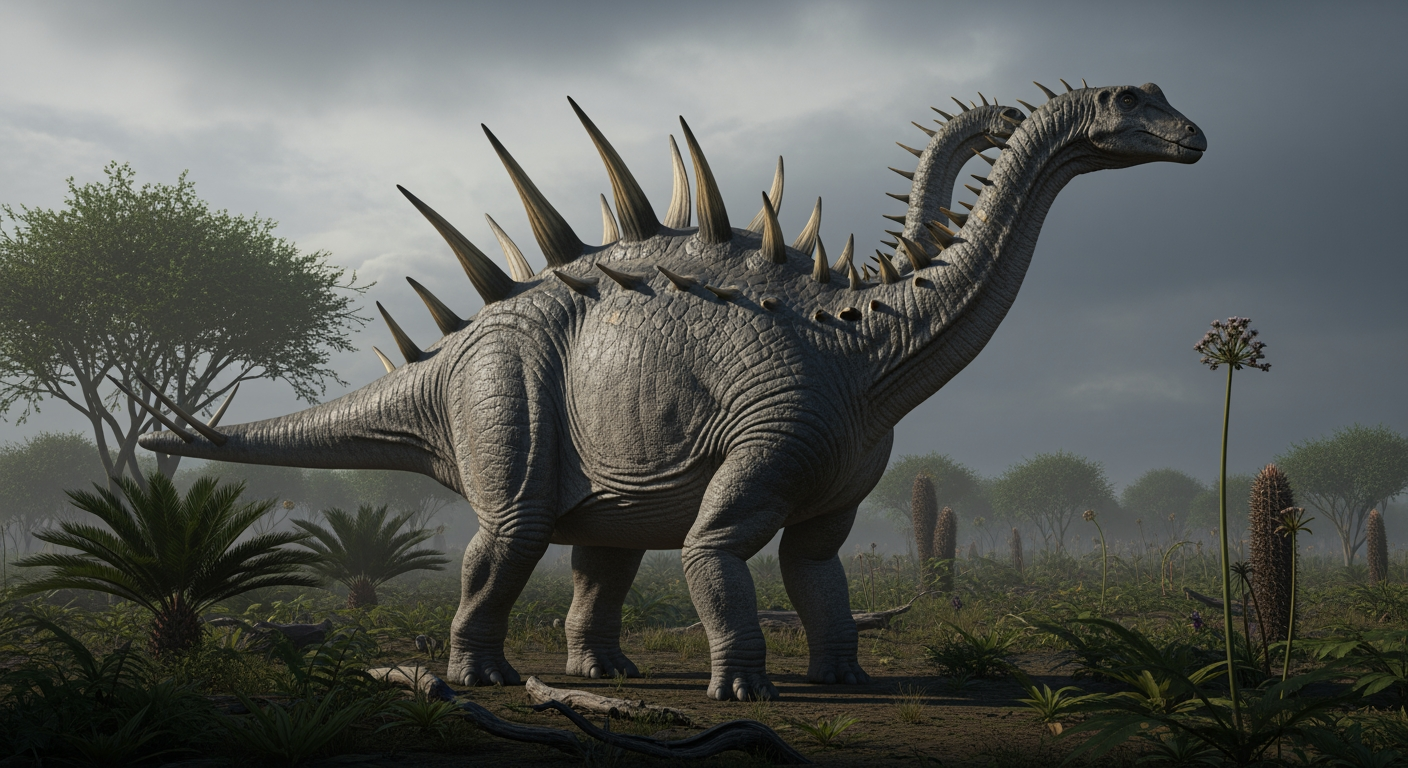
Amargasaurus is instantly recognisable for the double row of tall spines running along its neck and back, which may have supported sail-like structures or simply served for display. It lived in what is now Argentina during the Early Cretaceous — and it’s the famous “dinosaur with a sail” we mention in our long neck dinosaurs FAQ.
7. Coelophysis bauri
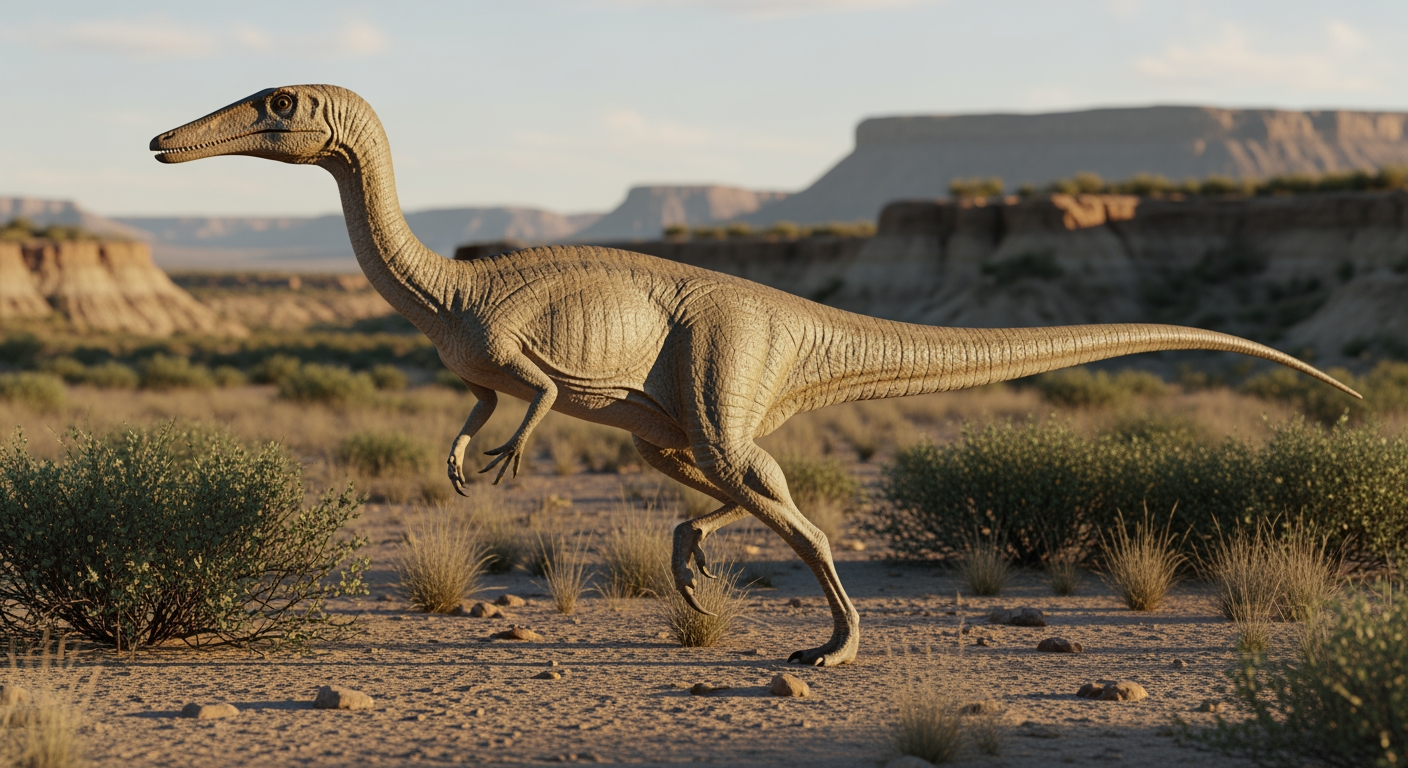
Coelophysis bauri (“hollow form”) was a small, agile theropod from the Late Triassic and one of the earliest dinosaurs we know of. It hunted small prey and turns up in huge numbers in North America’s Chinle Formation. We feature it in our countdown of the most dangerous dinosaurs, too.
8. Thescelosaurus neglectus
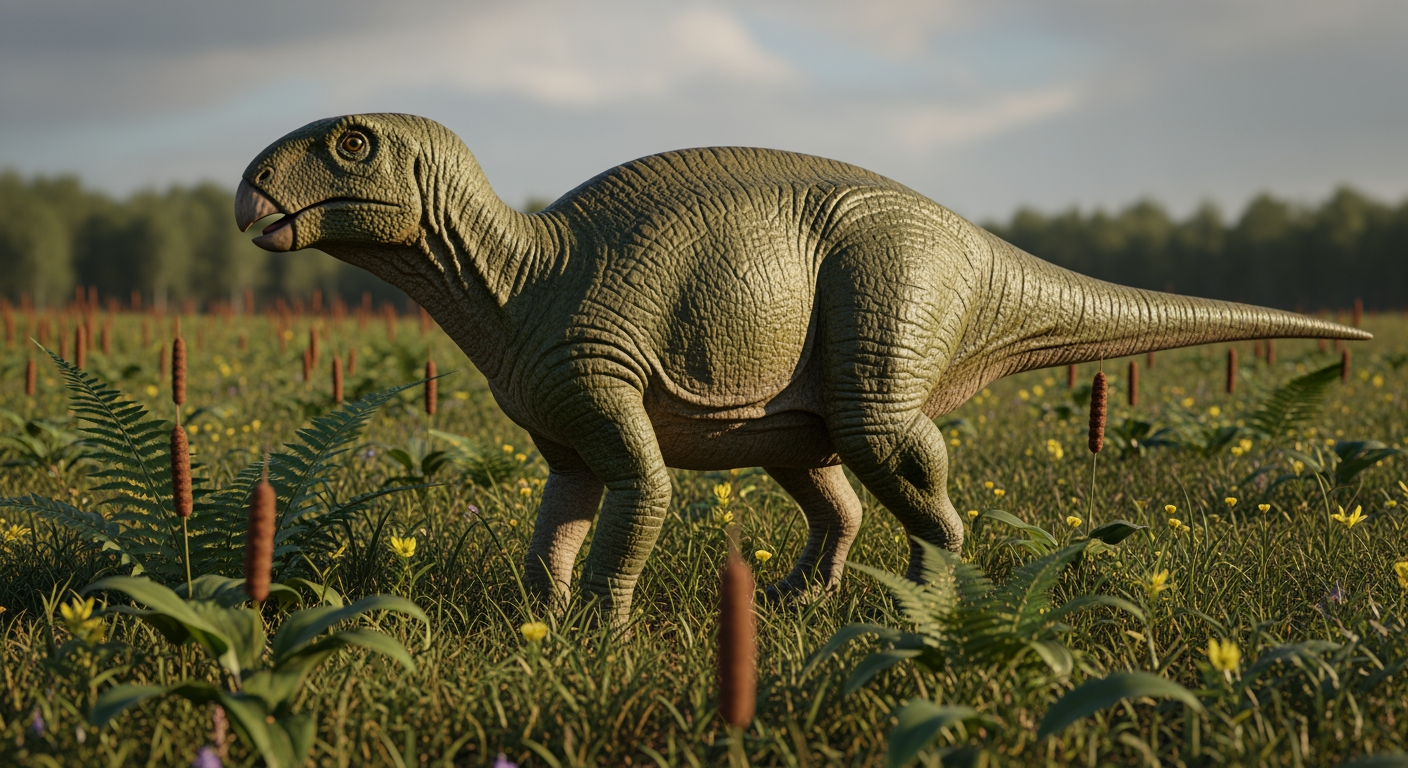
Thescelosaurus neglectus (“marvelous lizard”) was a small ornithopod that lived in North America right at the end of the Cretaceous. It had a beak-like mouth and grazed on low-lying vegetation, and its fossils come from the Hell Creek Formation — the same rocks that produced Tyrannosaurus and Triceratops.
9. Borogovia gracilicrus
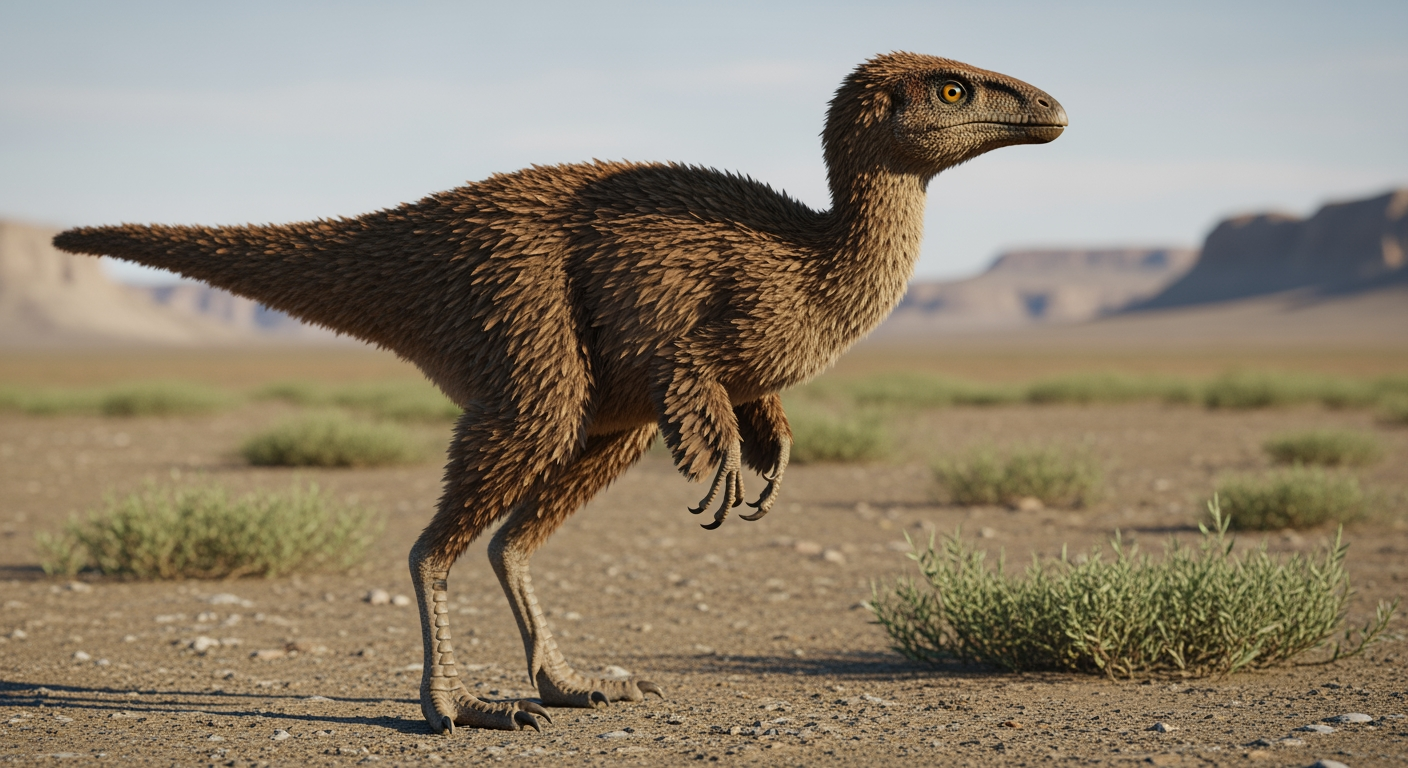
Borogovia is a small theropod known only from fragmentary fossils found in Mongolia, which makes its exact classification tricky — it was likely a slender troodontid. Its name is one of the most charming on this list: it’s drawn from the “borogoves,” the made-up creatures in Lewis Carroll’s nonsense poem Jabberwocky.
10. Irritator challengeri
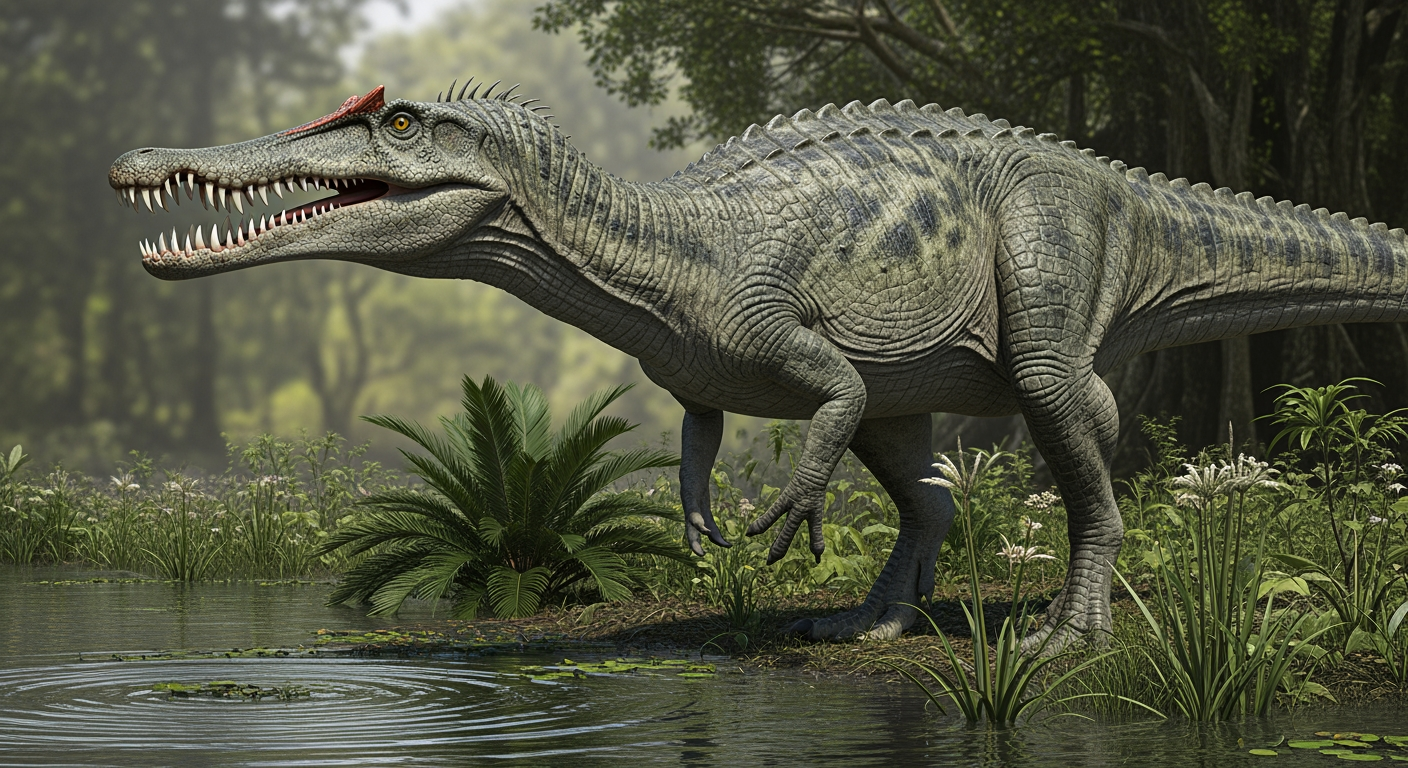
Irritator challengeri was a spinosaurid from the Early Cretaceous of Brazil, with a long, narrow snout and conical, fish-catching teeth — a close relative of Spinosaurus. Its name has a great backstory: the only good skull had been altered by fossil collectors before scientists got it, leaving them thoroughly “irritated,” while the species name nods to Professor Challenger from Arthur Conan Doyle’s The Lost World.
Whatever you call them, they make brilliant toys — see our pick of the best dinosaur figures for every age.
How dinosaurs get their names
Dinosaur names follow the same system as every other living thing: binomial nomenclature. The first word is the genus (shared by closely related species) and the second is the species — so “Tyrannosaurus rex” is the species rex within the genus Tyrannosaurus. The roots are almost always Greek or Latin, the shared languages of science, so researchers anywhere in the world can read meaning straight out of a name.
The word “dinosaur” itself comes from the Greek deinos (“terrible”) and sauros (“lizard”) — the original “terrible lizards.” From there, names usually describe one of three things:
What the animal looked like. Brachiosaurus joins brachion (“arm”) and sauros for “arm lizard,” after its long front legs. Triceratops means “three-horned face.” Stegosaurus means “roof lizard” — its discoverer first thought the back plates lay flat like roof tiles.
Where it was found. Plenty of dinosaurs are named for a place: Albertosaurus for Alberta, Utahraptor for Utah, Argentinosaurus for Argentina.
Who found or studied it. A species name often honours a discoverer or researcher — a small, permanent thank-you written into the science.
Naming a new dinosaur is careful work: paleontologists measure the bones, compare them with known species, sometimes CT-scan fossils to study internal structure, then publish the name and description in a scientific journal for others to check.
A few more wonderful names
Length isn’t the only thing that makes a name memorable. Dracorex hogwartsia — “dragon king of Hogwarts” — was named with a nod to J.K. Rowling’s wizarding world (though it may actually be a young Pachycephalosaurus). Nyasasaurus parringtoni, named after Lake Nyasa, is a strong candidate for the oldest known dinosaur or its very closest relative.
Frequently asked questions
What is the longest dinosaur name?
What does Micropachycephalosaurus mean?
What’s the funniest dinosaur name?
How do scientists choose a dinosaur’s name?
A note on accuracy: this guide follows mainstream paleontology. Some classifications (such as exactly where Micropachycephalosaurus fits) are still debated, and names and relationships can change as new fossils are studied.