Dinosaur with Hard Head
Affiliate Disclosure: This article contains affiliate links to Amazon. If you make a purchase through these links, we may earn a small commission at no extra cost to you. This helps support DINO TOYS and allows us to continue creating great content about dinosaurs!
Our Top Picks
⚡ Our top picks
Editor’s pick Schleich T-Rex View on Amazon Best STEM pick National Geographic Dino Dig Kit View on Amazon Best plush Aurora Dinosaur Plush View on Amazon Editor's pickSchleich T-Rex
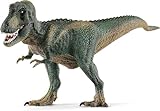
★★★★☆ (12,400+ ratings)The gold standard for realistic dinosaur figures. Hand-painted, museum-quality detail.
Best STEM pickNational Geographic Dino Dig Kit
★★★★☆ (14,000+ ratings)Excavate real fossils. Includes tools and learning guide. Hours of educational fun.
Best plushAurora Dinosaur Plush
★★★★☆ (3,400+ ratings)Super soft, huggable, and perfectly sized for little hands. Bean-filled for a floppy cuddle feel.


The dinosaur with a hard head is one of the most fascinating groups in paleontology — the pachycephalosaurs, or “thick-headed lizards.” These bipedal herbivores evolved dome-shaped skulls made of solid bone up to 10 inches thick, likely used for head-butting rivals, defending against predators, or species recognition. The most famous is Pachycephalosaurus, but several other hard-headed species have been discovered across North America and Asia.
This guide covers every major hard-headed dinosaur, the science behind their reinforced skulls, the ongoing debate about head-butting behavior, and the best toys for kids who love these bone-domed bruisers.
Quick Picks: Best Hard-Headed Dinosaur Toys
- Best figure: Schleich Pachycephalosaurus — museum-quality detail with prominent dome
- Best value: Safari Ltd Pachycephalosaurus — scientifically accurate and affordable
- Best Jurassic World: Jurassic World Stygimoloch figure — action features with head-ram action
- Best educational: National Geographic Dino Fossil Dig Kit — hands-on skull anatomy learning
Famous Hard-Headed Dinosaurs
Pachycephalosaurus — The King of Head-Butters
Pachycephalosaurus is the largest and most famous hard-headed dinosaur. At 15 feet long and living during the late Cretaceous (68–66 million years ago), it had a dome of solid bone up to 10 inches thick surrounded by a ring of bony knobs and spikes. It was one of the last dinosaurs alive before the asteroid impact. The dome was so dense that it’s one of the most commonly preserved pachycephalosaur fossils — the rest of the skeleton was more fragile and rarely fossilized completely.
🛒 Check Today’s Price on Amazon
Stygimoloch — The Spiky-Headed Demon
Stygimoloch (“demon from the river of death”) had a flatter dome than Pachycephalosaurus but compensated with dramatic clusters of horns and spikes erupting from the back of its skull. Featured prominently in Jurassic World: Fallen Kingdom, where it rams through walls. Some paleontologists believe Stygimoloch may actually be a juvenile Pachycephalosaurus — the debate is ongoing and heated.
🛒 Check Today’s Price on Amazon
Dracorex — The Dragon King
Dracorex hogwartsia (yes, named after Hogwarts) had a flat skull covered in spikes and bumps that looked like a medieval dragon. Like Stygimoloch, some scientists believe it may be a young Pachycephalosaurus — the spikes may have been growth features that smoothed into the adult dome. Whether it’s a separate species or a growth stage, Dracorex’s skull is one of the coolest-looking fossils ever found.
Prenocephale — The Asian Dome-Head
Prenocephale was a pachycephalosaur from late Cretaceous Mongolia with a smoothly rounded dome and a row of small bumps along the base. At about 8 feet long, it was smaller than Pachycephalosaurus but had one of the most perfectly formed domes of any species. Its discovery in Asia showed that hard-headed dinosaurs were a global phenomenon, not limited to North America.
Stegoceras — The First Discovered Dome-Head
Stegoceras was the first pachycephalosaur ever identified, discovered in Alberta, Canada. At about 6 feet long, it was one of the smaller hard-headed dinosaurs. Its dome was moderately thick (about 3 inches) and provided the initial evidence that led scientists to propose the head-butting hypothesis. CT scans of Stegoceras skulls show internal structures consistent with absorbing impact force.
Did Hard-Headed Dinosaurs Really Head-Butt?
The head-butting hypothesis is one of the most debated topics in dinosaur paleontology:
- Evidence FOR head-butting: The dome is made of extremely dense bone, CT scans show impact-absorbing internal structure, and the neck vertebrae appear designed to transmit force along the spine — all consistent with head-on collision behavior, like modern bighorn sheep.
- Evidence AGAINST: The dome is rounded (not flat), which would cause glancing blows rather than direct impacts. Some researchers suggest the dome was primarily for species recognition or sexual display, and that flank-butting (ramming into a rival’s side) may have been more likely than head-to-head collision.
- Current consensus: Most paleontologists accept that pachycephalosaurs used their domes for some form of combat or display. Whether this was direct head-to-head ramming, flank-butting, or primarily visual display remains actively debated.
Frequently Asked Questions
What dinosaur had the hardest head?
Pachycephalosaurus had the hardest and thickest skull dome of any dinosaur — up to 10 inches of solid bone covering the top of its skull. This is the thickest skull bone of any known land animal in history. The dome was dense enough to survive fossilization intact even when the rest of the skeleton decomposed.
Did Pachycephalosaurus really headbutt other dinosaurs?
The exact behavior is still debated, but most scientists agree that Pachycephalosaurus used its dome for some form of physical combat — either head-to-head ramming (like bighorn sheep), flank-butting (hitting rivals in the side), or both. CT scans of fossilized domes show internal bone structures consistent with absorbing repeated impacts, supporting the combat hypothesis.
Is Stygimoloch the same as Pachycephalosaurus?
Possibly. Some paleontologists believe Stygimoloch and Dracorex are actually juvenile or sub-adult stages of Pachycephalosaurus — with the spiky, flat-domed skull of youth smoothing into the round dome of adulthood. This theory is supported by growth pattern analysis but remains controversial. Other scientists maintain they are separate species.
Why did hard-headed dinosaurs evolve thick skulls?
Hard-headed dinosaurs likely evolved thick skulls for a combination of intraspecific combat (fighting rivals for mates or territory), predator defense (a head-butt from a Pachycephalosaurus could injure even a large theropod), and species recognition (distinctive dome shapes helped identify members of the same species). Sexual selection — where females preferred males with larger, more impressive domes — may have been the primary evolutionary driver.
What are the best hard-headed dinosaur toys?
The Schleich Pachycephalosaurus is the best museum-quality figure with its prominent dome and hand-painted detail. The Jurassic World Stygimoloch figure features head-ramming action that kids love. Safari Ltd offers an affordable, scientifically accurate Pachycephalosaurus. See our realistic dinosaur figures guide for more options.
Related Dinosaur Guides
- Best Dinosaur Toys 2026 — Complete Guide
- Realistic Dinosaur Figures
- Best Jurassic World Toys
- Most Dangerous Dinosaurs
- Dinosaurs Without Tails
- Dinosaur With Sail on Back
- The Mesozoic Era Explained
- Best Dinosaur Dig Kits for Kids
- Best Dinosaur Toys by Age